
Woodpecker Removal | Integrated Wildlife Management
Stop woodpecker damage with a compliant, non-lethal plan that identifies why drilling starts, protects siding and trim with proven deterrents and exclusion, and restores damaged areas with lasting repairs.
Woodpecker Removal That Solves the Noise, Damage, and Root Cause
When woodpeckers start drilling into our siding, trim, or chimney, we’re not just dealing with noise, we’re facing potential structural damage, hidden insect pressure, and strict legal protections that limit what we can do on our own.
That’s why we focus on identifying what’s driving the activity, using only compliant, non-lethal deterrents, and repairing damaged areas correctly, because once those holes appear, the right sequence matters more than most property owners realize.
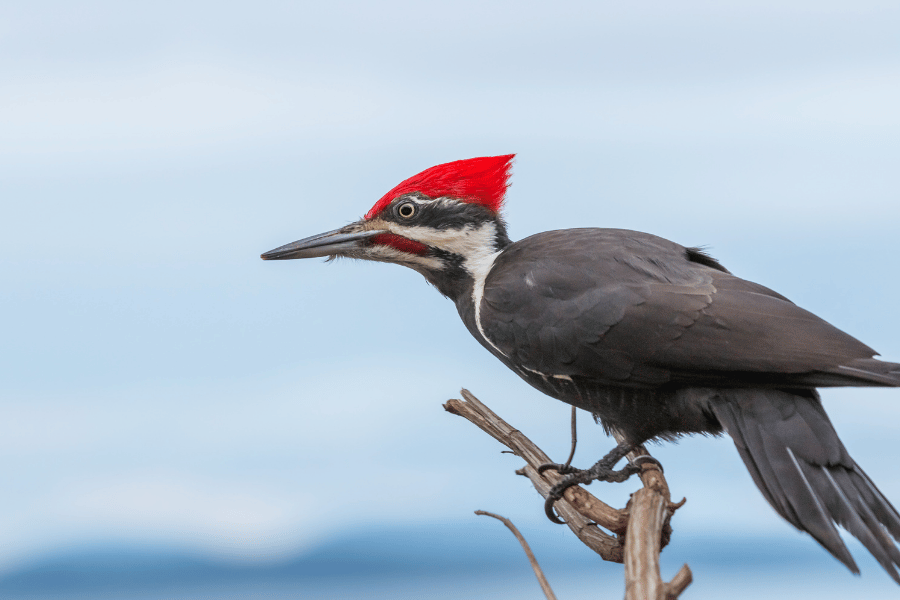
How We Identify Woodpecker Damage on Siding, Trim, and Chimneys
We often see clean, round, or rectangular holes arranged in lines or clusters rather than irregular marks that suggest weather events or accidental impact.
We also watch for shallow “testing” pecks around corners, window trim, fascia boards, and areas tied to past insect activity, since woodpeckers may be searching for food or creating a drumming site. Paint may begin flaking around holes, and we may hear repeated tapping during early morning hours. By documenting these patterns quickly, we can prioritize woodpecker damage repair, focus wood siding protection where it’s most vulnerable, and build a practical prevention plan that fits the structure.
Explore All Our Wildlife and Pest Services
Discover the full range of solutions we offer to protect your home. From wildlife removal and exclusion to pest control and bird management, our team provides fast, reliable service tailored to Raleigh’s unique conditions. Choose any service below to learn more and get started.
Compliant, Non-Lethal Woodpecker Deterrents That Work
Because many woodpecker species fall under the Migratory Bird Treaty Act, our approach stays non-lethal, reversible, and targeted, and we get the best results by combining multiple deterrents so the site no longer “works” for drumming or foraging.
Common non-lethal deterrent options we may combine include:
- Visual deterrents such as reflective tape, mylar streamers, or rotating devices
- Noise-based tools that create intermittent, non-harmful disturbance
- Temporary netting that blocks access to specific panels or trim sections
- Filling existing holes with appropriate materials to eliminate nesting cavities
- Partnering with specialists trained in protected bird management to design compliant strategies
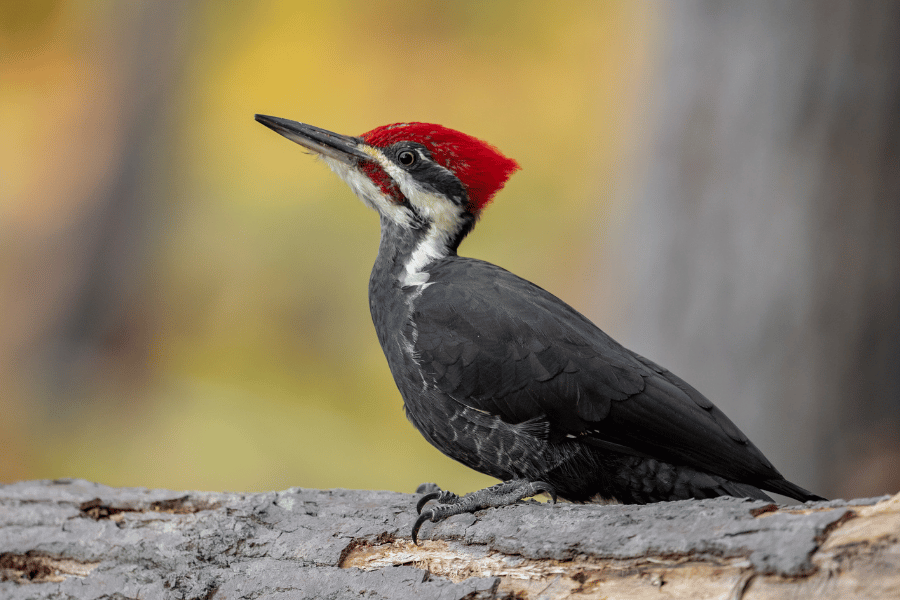
Whole-Home Protection to Stop Repeat Drumming and Drilling
We evaluate siding type, trim condition, soffits, and chimney chases, because softer woods, failing paint, and existing insect pressure can increase the risk of recurring drumming and structural bird damage.
For durable woodpecker prevention, we combine visual and acoustic deterrents with physical bird exclusion in targeted areas. That can include installing hardware cloth or metal flashing where drilling repeats, tensioned wire along vulnerable fascia lines, and netting on high-activity wall sections where feasible. We also reduce attractants by managing nearby dead trees, trimming branches that create easy launch points, and addressing carpenter ants or wood-boring insects that can draw birds to the building envelope.
Repairing and Sealing Woodpecker Holes to Prevent Moisture and Entry
We map openings, check for hidden rot, and document where siding, trim, and soffits are separating, because even small gaps can become major entry points once moisture and movement take hold.
Our repair process typically includes:
- Removing fractured or decayed wood and installing sound replacement boards
- Filling shallow cavities with exterior-grade epoxy or wood filler, then sanding smooth
- Installing primed wood, fiber-cement, or metal patches over larger voids
- Caulking seams, joints, and utility penetrations to eliminate hidden access routes
- Priming and painting repaired areas to protect against moisture and future pecking activity
Local Coverage You Can Count On
Our team provides consistent, high-quality service across a broad coverage area, supporting both residential and commercial properties with dependable protection. Every location we serve reflects our commitment to delivering reliable solutions and long-term peace of mind.
Long-Term Woodpecker Prevention Through Habitat and Exterior Upgrades
We reduce insect-rich wood by addressing moisture issues, replacing deteriorated trim, and maintaining painted or clad fascia so surfaces are less attractive for foraging. We also rotate and reposition visual and noise-based deterrents near previous activity so birds don’t acclimate, and we document dates and locations so we can see what’s actually working.
When we need durable, low-visibility protection, we install professional exclusion materials such as netting, tensioned wire, and barrier components designed for long-term performance, helping us protect both residential and commercial structures while staying aligned with protected bird requirements.
A Clear Plan to Stop Damage and Protect the Structure
By partnering with us at Integrated Wildlife Management, we address woodpecker problems systematically, from accurate damage identification and compliant deterrents to precise repairs and durable exclusion measures tailored to our property’s materials and design. We reduce structural risk, stabilize maintenance costs, and avoid unnecessary conflict with protected species, while ongoing monitoring, habitat adjustments, and documented service steps help us manage current drilling activity and prevent new damage from returning.