
The Best Wildlife Control Service in Clayton
Protect your Clayton home or business with professional wildlife control, detailed inspections, safe removal, and exclusion solutions designed to help prevent recurring wildlife problems.
When Wildlife Starts Using Clayton Homes for Shelter
Squirrels, raccoons, bats, rodents, birds, snakes, and other nuisance wildlife may move closer to homes when they find dependable shelter or food. Attics, crawl spaces, chimneys, vents, rooflines, sheds, and exterior gaps can all provide protected areas where animals may settle.
Property owners may first notice scratching sounds, droppings, damaged vents, unusual odors, nesting material, or repeated activity around the roof or foundation.
Raccoons are especially adaptable and may investigate crawl spaces, attics, roof areas, decks, or other sheltered parts of a property. When an animal begins repeatedly using the structure, professional raccoon removal can help address the active problem before additional damage develops.
The Neuse River and Greenways Bring Nature Close to Clayton Neighborhoods
Properties near these wooded and water-connected areas may see wildlife moving through yards, tree lines, drainage areas, and other natural travel routes. Snakes may also use brush, landscaping, sheds, or sheltered areas while following prey.
When snake activity moves into a home or repeatedly occurs close to the structure, professional snake removal can help address the immediate concern and identify nearby conditions that may be contributing to activity.
Wildlife Conditions From Riverwood to Downtown Clayton
Clayton includes a historic downtown, established neighborhoods, newer communities, and expanding development around major corridors such as NC 42. Areas around Riverwood, Glen Laurel Road, Covered Bridge Road, and the town’s outer edges can differ significantly in building age, lot size, surrounding vegetation, and proximity to undeveloped land.
Those differences can influence where wildlife problems begin. Older properties may develop openings as exterior materials age, while newer neighborhoods can still experience animal activity around rooflines, crawl spaces, drainage areas, and the edges of nearby habitat.
Clayton Neighborhoods and Local Areas We Serve
From Downtown Clayton and Riverwood to Glen Laurel, Covered Bridge Road, and neighborhoods near the Neuse River, Integrated Wildlife Management serves homes and businesses throughout Clayton. If you are unsure whether your address falls within our service area, call our team and we will be happy to confirm coverage.
Explore All Our Wildlife and Pest Services
Clayton properties can face very different wildlife and pest pressures depending on whether they are near the Neuse River, Sam’s Branch, established neighborhoods, or growing areas around NC 42. Our team offers wildlife removal, exclusion, pest control, and bird management services that account for the surrounding landscape, building type, and conditions contributing to activity.
Wildlife Concerns Change as Clayton Continues to Grow
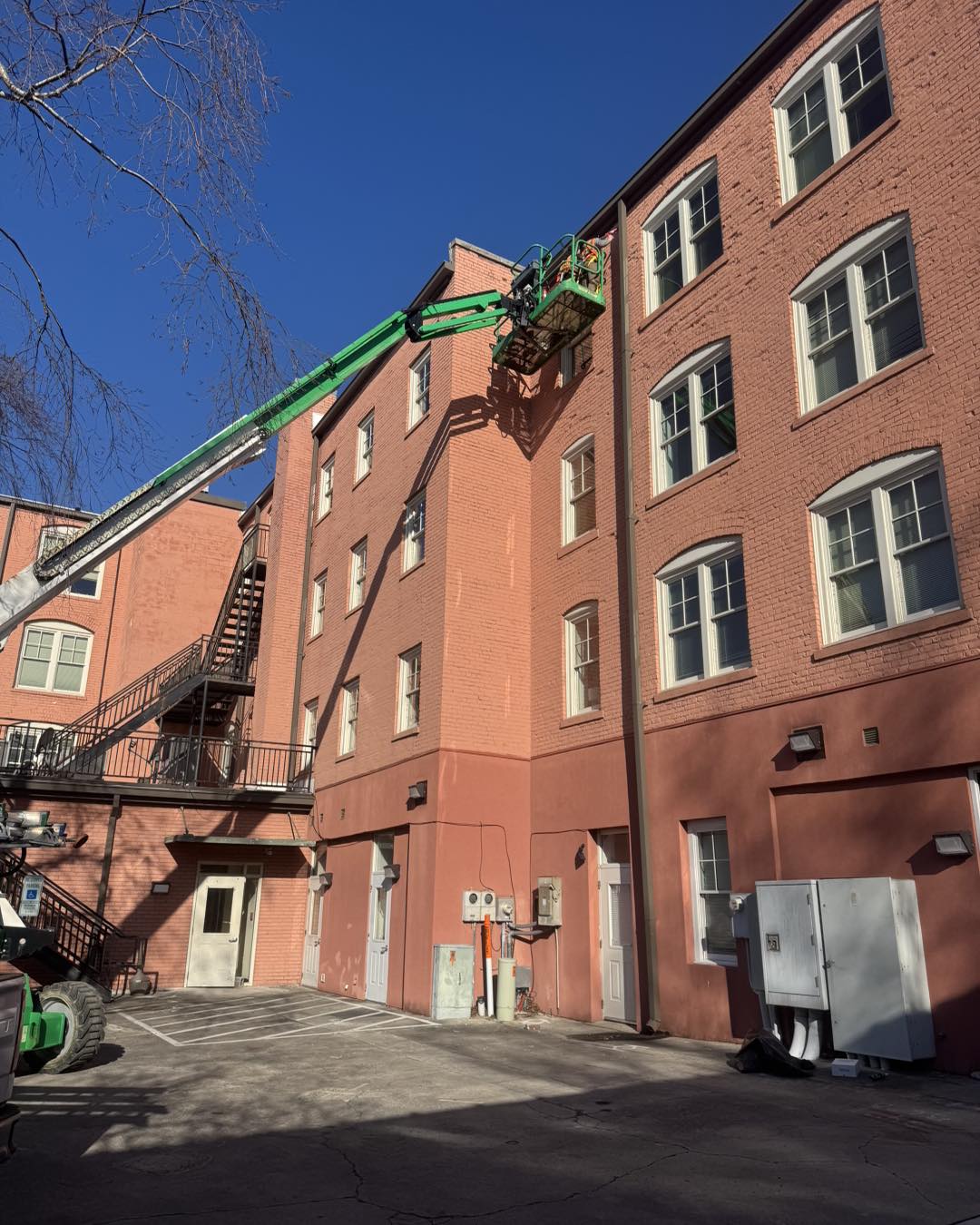
Each property type presents different conditions for wildlife. Trees may provide access toward rooflines, while crawl spaces, decks, commercial waste areas, and nearby open land can create shelter or food closer to ground level.
Integrated Wildlife Management considers both the structure and the surrounding property when determining what may be contributing to wildlife activity.
Protecting Clayton Properties as Buildings and Neighborhoods Change
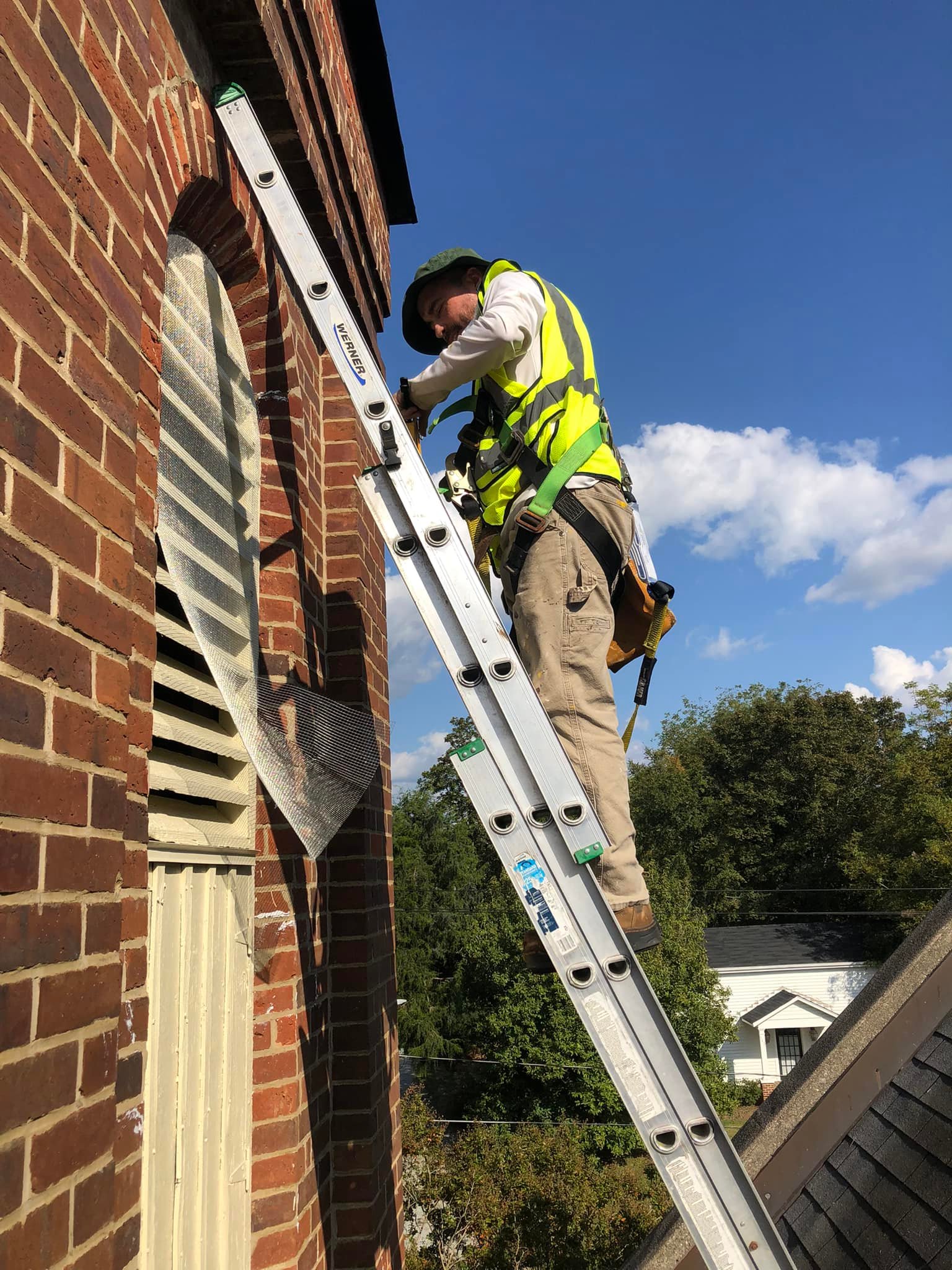
Vulnerable areas can develop around roof intersections, soffits, fascia, vents, utility penetrations, foundations, and crawl space openings.
For Clayton properties with several possible access points, professional full home exclusion can provide a broader approach by identifying and securing vulnerable areas from the foundation through the roofline.
Addressing those openings along with the active wildlife problem can help reduce opportunities for repeat intrusion.
When Wildlife Activity Leaves Damage Behind
Professional attic remediation can help address affected materials after the active wildlife problem has been resolved.
This may be especially important when homeowners notice persistent odors, heavily disturbed insulation, or evidence that animals have occupied the attic for an extended period.
Clayton Wildlife Control FAQs
Can homes near the Clayton River Walk see more wildlife activity?
They can. The Neuse River, wooded areas, and connected greenway corridors provide habitat and travel routes for wildlife. Properties near these natural areas may notice animals moving through yards, tree lines, or areas around the home more frequently.
I live in one of the older houses near Downtown Clayton’s Main Street. Is my place more likely to have entry points than a newer home in Flowers Plantation?
Older homes can develop small gaps around soffits, vents, fascia, roof transitions, and other exterior materials over time. However, newer homes can have wildlife problems too, so the age of the property alone does not determine whether animals can get inside.
Can a newer home in Riverwood still develop an attic wildlife problem?
Yes. Wildlife can enter newer homes when accessible openings are present around rooflines, vents, soffits, utility penetrations, or other exterior transitions. An inspection can help determine where the activity is coming from rather than assuming the problem is related to the age of the home.
Do you provide wildlife control for commercial properties around Clayton?
Yes. Wildlife problems can affect warehouses, restaurants, offices, retail buildings, and other commercial properties as well as homes. Birds, rodents, and other animals may use rooflines, loading areas, utility openings, rafters, or sheltered exterior spaces depending on the building.
Get Help With Wildlife Problems in Clayton, NC
If you are hearing animals inside your property, finding droppings or nesting material, noticing damage around the exterior, or seeing recurring wildlife activity, an inspection can help determine where the problem started.
Contact Integrated Wildlife Management for wildlife control in Clayton, NC. Our team can evaluate your home or business and recommend appropriate removal, exclusion, or prevention services.
Local Coverage You Can Count On
Our team provides consistent, high-quality service across a broad coverage area, supporting both residential and commercial properties with dependable protection. Every location we serve reflects our commitment to delivering reliable solutions and long-term peace of mind.