
The Best Wildlife Control Service In Wake Forest
Protect your Wake Forest home or business with professional wildlife control, detailed inspections, safe removal, and exclusion solutions designed to help reduce recurring wildlife problems.
When Wildlife Moves From the Yard Into Your Home
Squirrels, bats, raccoons, rodents, birds, snakes, and other nuisance wildlife can become a problem when they find dependable shelter inside a structure. Attics, crawl spaces, chimneys, vents, soffits, rooflines, garages, and exterior gaps can all provide protected areas for animals.
Property owners may first notice scratching above ceilings, droppings, nesting material, unusual odors, damaged vents, or repeated movement around the roof.
Tree cover can make upper portions of a home especially accessible to squirrels. Smaller species may be difficult to detect until they are already nesting overhead. Professional flying squirrel removal can help when activity develops in attics, wall voids, or other concealed spaces.
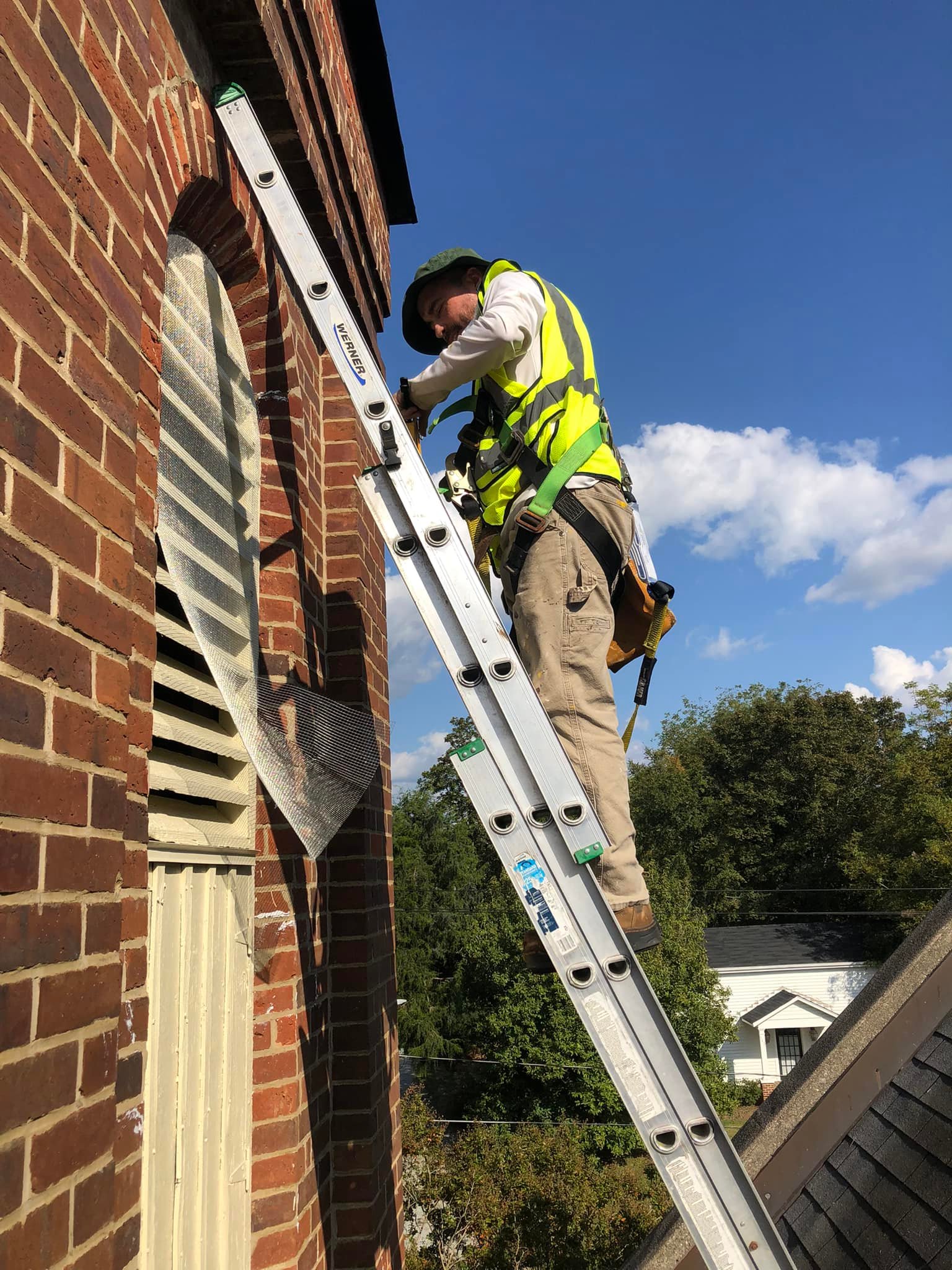
Historic Homes Give Wake Forest a Different Wildlife Profile
Older structures may develop gaps around siding, rooflines, vents, foundations, and utility penetrations as materials age, while newer homes can still have accessible openings around garages, soffits, vents, and roof transitions.
When rodents repeatedly use these openings, professional rodent exclusion can help address structural access points.
From North Main Street to Wake Forest’s Creek Corridors
Wake Forest combines historic neighborhoods with newer communities near wooded streams, greenways, and reservoir habitat. Smith Creek, Dunn Creek, and the Wake Forest Reservoir place natural areas close to many residential properties.
Homes near these corridors may see wildlife moving through tree cover, drainage areas, and yards, while properties closer to the historic center may face different concerns related to building age, roof access, and exterior wear.
Wake Forest Neighborhoods and Local Areas We Serve
From Downtown Wake Forest and North Main Street to Heritage, Traditions, Smith Creek, and neighborhoods near the Wake Forest Reservoir, Integrated Wildlife Management serves homes and businesses throughout Wake Forest. If you are unsure whether your address falls within our service area, call our team and we will be happy to confirm coverage.
Explore All Our Wildlife and Pest Services
Wake Forest’s historic neighborhoods, wooded creek corridors, reservoir area, and newer residential growth create a wide range of wildlife and pest concerns. Integrated Wildlife Management provides wildlife removal, exclusion, pest control, and bird management services for homes and businesses throughout the community, with recommendations based on the structure, surrounding habitat, and signs of activity.
Wooded Lots and Residential Growth Create Different Conditions
Properties with mature trees may experience more activity around rooflines and upper portions of the home, while homes near drainage areas, open land, or newer development may see animals moving through yards and property edges.
These differences make it important to consider the individual building and surrounding property rather than assuming wildlife pressure is the same throughout town.
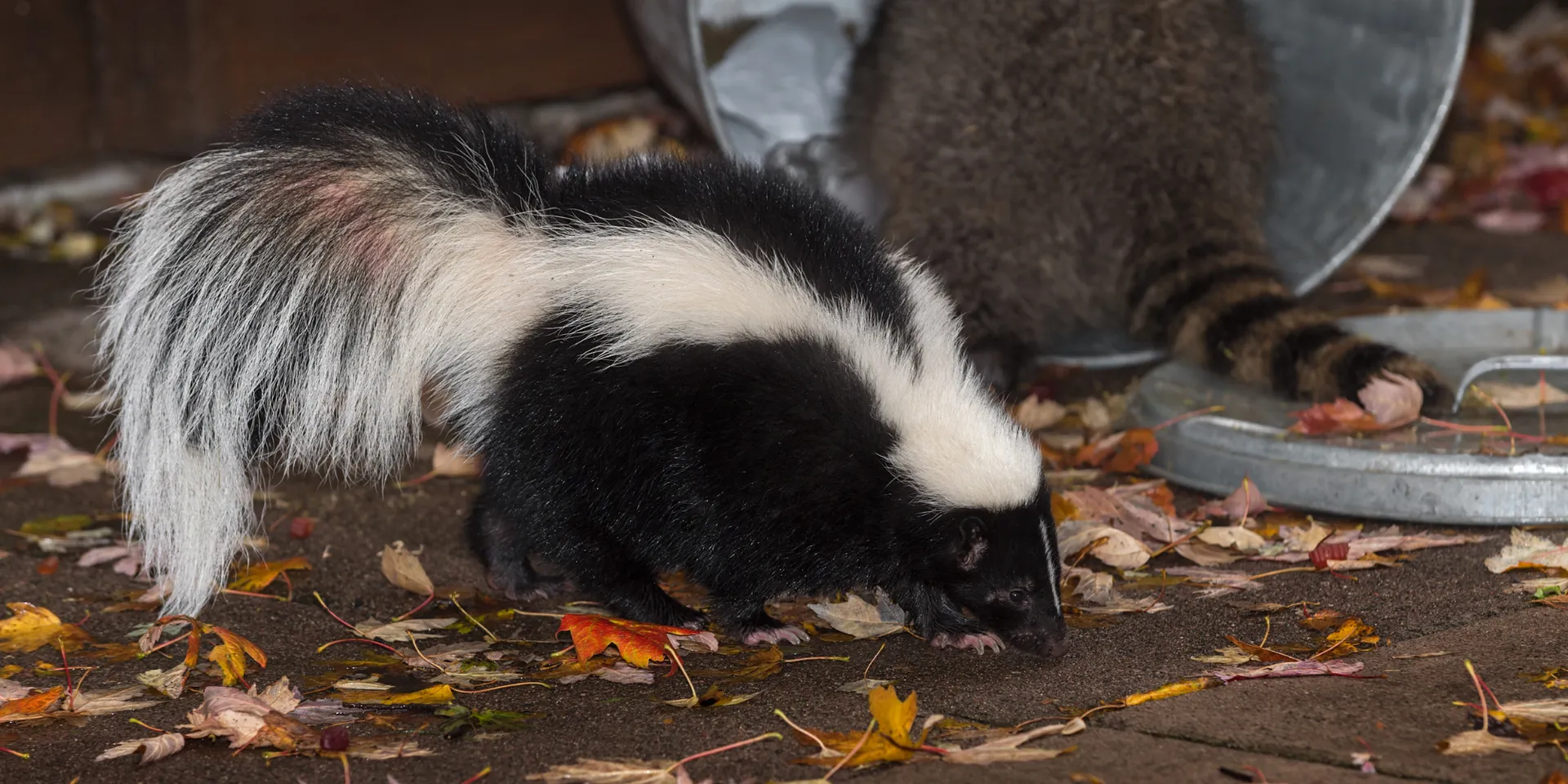
When Attic Activity Leaves Damage Behind
Professional attic remediation can help address affected materials after the active wildlife problem has been resolved.
The condition of the attic can also help show whether additional parts of the structure may need attention before wildlife returns.
Protecting Wake Forest Properties Beyond a Single Opening
For Wake Forest properties with several possible access areas, full home exclusion can provide a broader approach by addressing vulnerabilities from the foundation through the roofline.
This can be useful for both older properties with aging exterior materials and newer homes where small construction gaps remain accessible.
Wake Forest Wildlife Control FAQs
Can homes near the Wake Forest Reservoir see more wildlife activity?
They can. Wooded areas, water, and undeveloped land around the reservoir provide habitat and travel routes for wildlife. Nearby properties may notice more animal movement depending on tree cover, landscaping, and available shelter.
Can outdoor dining areas around Wake Forest attract birds or rodents?
They can. Dropped food, waste areas, outdoor seating, and frequent deliveries may create attractants around restaurants and mixed-use properties. Good sanitation and property maintenance can help reduce activity.
Are older buildings near North Main Street more vulnerable to bats or other wildlife?
They can be. Older buildings may have gaps around rooflines, vents, siding, chimneys, or other exterior materials that develop over time. The condition of the structure matters more than age alone.
Can clubhouses, pools, or shared amenity buildings develop bird problems?
Yes. Covered eaves, rooflines, signs, beams, and other sheltered features around shared buildings can provide places for birds to roost or nest. The amount of activity depends on the design of the property and surrounding conditions.
Get Wildlife Control Help in Wake Forest, NC
If you are hearing animals inside your property, noticing roofline damage, finding droppings or nesting material, or dealing with recurring wildlife activity, a professional inspection can help identify the source.
Contact Integrated Wildlife Management for wildlife control in Wake Forest, NC. Our team can evaluate your home or business and recommend appropriate removal, exclusion, or prevention services based on the conditions present.
Local Coverage You Can Count On
Our team provides consistent, high-quality service across a broad coverage area, supporting both residential and commercial properties with dependable protection. Every location we serve reflects our commitment to delivering reliable solutions and long-term peace of mind.