
The Best Wildlife Control Service In Selma
Protect your Selma home or business with professional wildlife control, detailed inspections, safe removal, and exclusion solutions designed to help reduce recurring wildlife problems.
Wildlife Problems Inside Selma Homes and Buildings
Squirrels, bats, raccoons, rodents, birds, snakes, and other nuisance wildlife can become a concern when they find dependable shelter around a property. Attics, crawl spaces, chimneys, rooflines, vents, garages, and exterior gaps can all provide protected areas for animals.
Property owners may first notice scratching sounds, droppings, unusual odors, damaged vents, nesting material, or repeated activity around the roof or foundation.
Bats can use surprisingly small openings around fascia, siding, vents, and roof transitions to reach attics or wall spaces. Professional bat removal can help address active bat activity while identifying the areas that may be allowing access.
Railroad History and Older Buildings Shape Wildlife Concerns
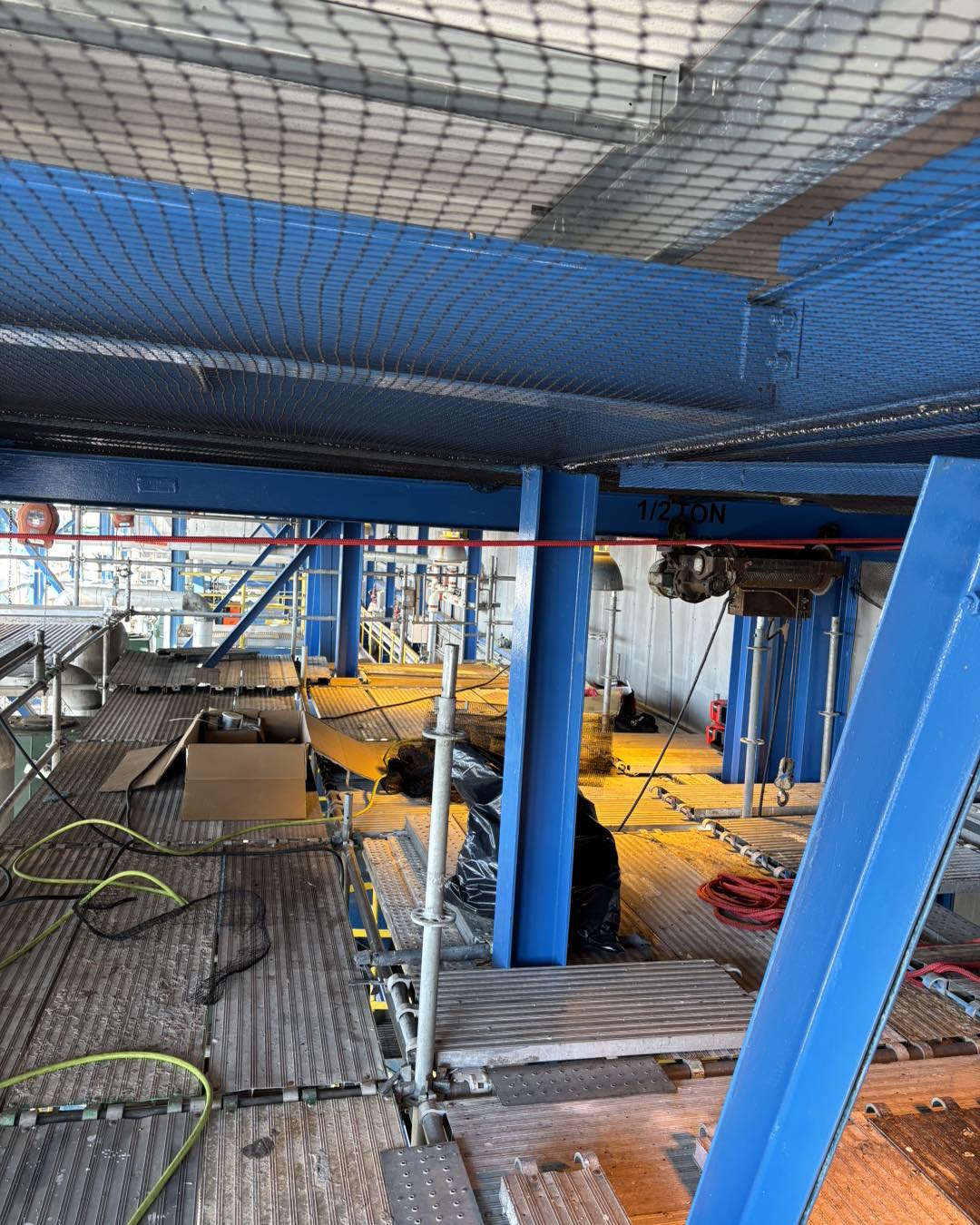
As exterior materials age, gaps can develop around siding, foundations, vents, roof transitions, and utility penetrations. These openings may provide access for rodents and other wildlife even when they are difficult to spot from ground level.
When recurring mouse or rat activity is connected to structural openings, professional rodent exclusion can help address those access points rather than relying only on short-term control.
Wildlife Conditions From Historic Selma to the Highway Corridors
Selma’s compact center includes historic residential streets, downtown businesses, railroad infrastructure, and commercial areas extending toward Pollock Street, US 70, and I-95.
An older home in West Selma may face different wildlife concerns from a restaurant near the interstate or a property closer to the town’s outer edges. Building age, tree cover, exterior storage, waste areas, and surrounding development can all influence where animals and pests find shelter.
Selma Neighborhoods and Local Areas We Serve
From Downtown Selma and West Selma to properties near Pollock Street, Eastfield Crossing, US 70, and I-95, Integrated Wildlife Management serves homes and businesses throughout Selma. If you are unsure whether your address falls within our service area, call our team and we will be happy to confirm coverage.
Explore All Our Wildlife and Pest Services
Selma’s historic neighborhoods, railroad corridors, older commercial buildings, and growing areas near I-95 create a varied mix of wildlife and pest concerns. Integrated Wildlife Management provides wildlife removal, exclusion, pest control, and bird management services for homes and businesses across the community, with recommendations based on the structure, property use, and surrounding conditions.
Interstate and Downtown Businesses Face Different Pest Pressures
Food storage, deliveries, waste areas, loading zones, utility openings, and frequent customer traffic can all create conditions that support pest activity.
For dining establishments, professional restaurant pest control can help address active pest concerns around kitchens, storage areas, drains, waste zones, and other high-use spaces.
Protecting Older and Newer Selma Properties From Repeat Entry
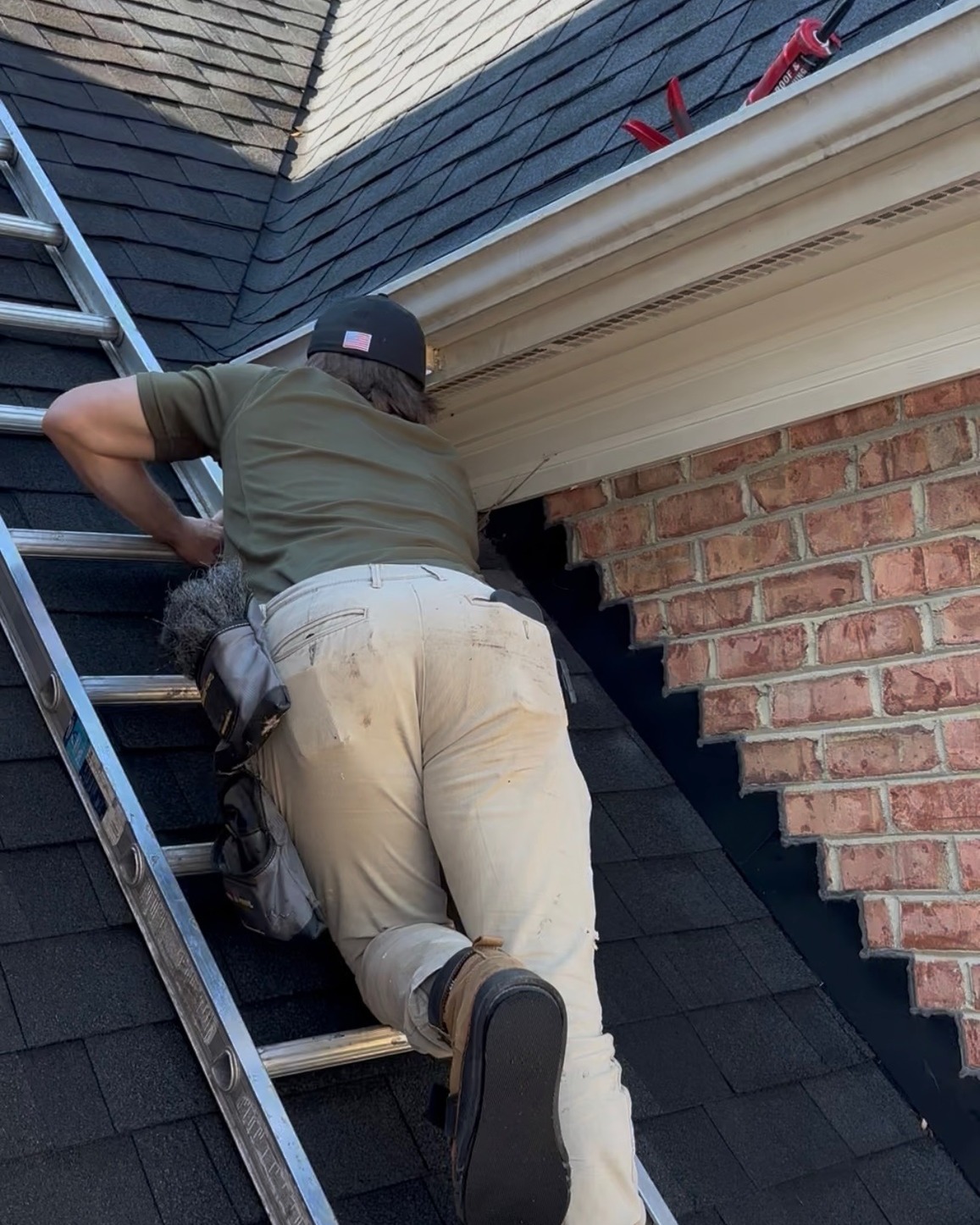
Potential entry points can develop around soffits, fascia, vents, foundations, crawl space doors, roof intersections, utility penetrations, and other exterior transitions.
For Selma properties with several vulnerable areas, full home exclusion can provide broader protection by addressing access points from the foundation through the roofline.
Reducing these openings can help lower the chance of another animal using the same route later.
Open Land and Drainage Areas Can Change Wildlife Activity
Tree cover, building condition, crawl space access, exterior storage, nearby water, and available shelter can all affect where animals travel or settle.
Looking at both the structure and surrounding property helps determine which conditions may be contributing to recurring activity.
Selma Wildlife Control FAQs
Can older buildings in Downtown Selma have more wildlife entry points?
They can. Older buildings may develop gaps around siding, rooflines, vents, foundations, or utility openings as materials age. The condition of the structure matters more than age alone, so an inspection is the best way to identify possible access points.
Can commercial properties near I-95 or US 70 experience different pest problems than homes?
Yes. Restaurants, retail properties, lodging, warehouses, and other commercial buildings can have waste areas, loading zones, storage spaces, utility openings, and larger roof systems that create different pest pressures.
Can railroad corridors and open land around Selma influence wildlife movement?
They can. Vegetation, drainage areas, undeveloped strips of land, and nearby open space may provide cover and travel routes for wildlife. Properties near these features may notice more movement around yards or building edges.
Can restaurants and food-service businesses in Selma attract rodents or insects?
They can if food, moisture, waste, or accessible openings are present. Kitchens, storage areas, drains, dumpsters, and delivery zones are all areas that should be monitored for pest activity.
Get Wildlife Control Help in Selma, NC
If you are hearing animals inside your property, noticing exterior damage, finding droppings or nesting material, or dealing with recurring wildlife or pest activity, a professional inspection can help identify the source.
Contact Integrated Wildlife Management for wildlife control in Selma, NC. Our team can evaluate your home or business and recommend appropriate removal, exclusion, or prevention services.
Local Coverage You Can Count On
Our team provides consistent, high-quality service across a broad coverage area, supporting both residential and commercial properties with dependable protection. Every location we serve reflects our commitment to delivering reliable solutions and long-term peace of mind.