
The Best Wildlife Control Service in Durham
We provide humane, inspection-driven wildlife control in Durham, NC with expert removal, exclusion, cleanup, and long-term prevention to protect homes from damage and recurring infestations.
When Wildlife Finds Its Way Into Durham Properties
Wildlife activity around Durham homes and businesses can begin outside before an animal is ever noticed indoors. Squirrels may travel along trees and rooflines, while raccoons, bats, birds, mice, rats, and other animals can take advantage of openings around attics, vents, crawl spaces, and other sheltered areas.
Durham property owners may first notice scratching sounds, droppings, unusual odors, nesting material, or damage around an exterior opening.
An inspection can help identify the animal and trace where it may be getting inside. If squirrels are active around the attic or roofline, professional squirrel removal can help address the activity before further damage develops.
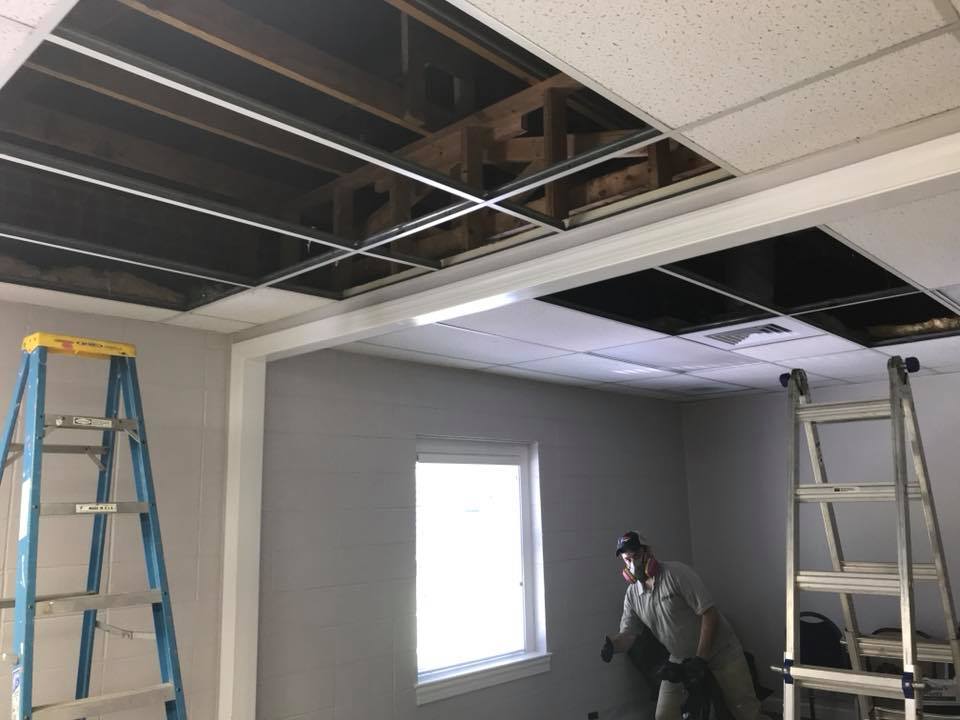
How Durham’s Surroundings Can Bring Wildlife Close to Homes
Durham has an extensive mix of wooded land, creek corridors, mature neighborhoods, and developed areas. Places near the Eno River and other green spaces can keep residential properties relatively close to habitat where squirrels, raccoons, bats, and other wildlife naturally move.
In neighborhoods such as Trinity Park, Watts-Hillandale, and Hope Valley, mature trees and established landscaping can bring animal activity closer to roofs and yards. Elsewhere, development near remaining wooded parcels can create similar encounters as wildlife moves between available habitat.
A nearby animal does not always mean there is an infestation. Problems usually develop when wildlife finds an opening around a soffit, vent, chimney, crawl space, or roofline that provides access to the structure.
Wildlife Control Across Durham’s Neighborhoods
Durham changes considerably from one neighborhood to the next. Areas such as Trinity Park, Old West Durham, and Watts-Hillandale have established residential streets and mature tree cover, while Hope Valley has larger residential properties and a more suburban setting. Walltown, Forest Hills, Duke Park, and Old North Durham add another mix of housing styles, lot sizes, and surrounding vegetation.
These differences matter when wildlife begins using a property for shelter. Integrated Wildlife Management serves homes and businesses across Durham, looking at the structure, nearby conditions, and evidence left by the animal before recommending the appropriate approach.
Raleigh Neighborhoods and Areas We Serve
From Trinity Park and Old West Durham to Hope Valley, Forest Hills, and surrounding neighborhoods, our team provides wildlife control throughout Durham. Call us to confirm service availability for your address.
Durham Landmarks and the Green Spaces Around the City
Durham has plenty of developed neighborhoods and busy commercial areas, but natural spaces remain a noticeable part of the city. Sarah P. Duke Gardens brings together landscaped grounds and mature tree cover near Duke University, while Eno River State Park preserves a much larger stretch of forest, river habitat, and trails along the Eno River.
Elsewhere in Durham, the Museum of Life and Science includes extensive outdoor grounds, and Duke Forest protects large wooded areas used for research and education. The American Tobacco Campus offers a different look at the city through its historic buildings and downtown setting. Together, these places show the range of environments found around Durham, where established urban areas, mature vegetation, and larger natural spaces can all be found within a relatively short distance.
Explore All Our Wildlife and Pest Services
Discover the full range of solutions we offer to protect your home. From wildlife removal and exclusion to pest control and bird management, our team provides fast, reliable service tailored to Raleigh’s unique conditions. Choose any service below to learn more and get started.
Wildlife Concerns Across Durham’s Residential and Commercial Properties
Wildlife can find opportunities in many types of Durham properties. Older houses, newer developments, apartment buildings, restaurants, offices, and commercial facilities may all have exterior areas that animals can use for entry, shelter, or nesting.
The conditions that contribute to a problem often differ from one property to another. Mature trees near a home may provide access to the roofline, while larger commercial buildings can have vents, loading areas, rooftop features, or other sheltered spaces that attract animal activity.
Integrated Wildlife Management evaluates these conditions based on the property itself rather than using the same approach for every situation. We help homeowners, property managers, and businesses throughout Durham determine where wildlife activity is occurring and what may be allowing it to continue.
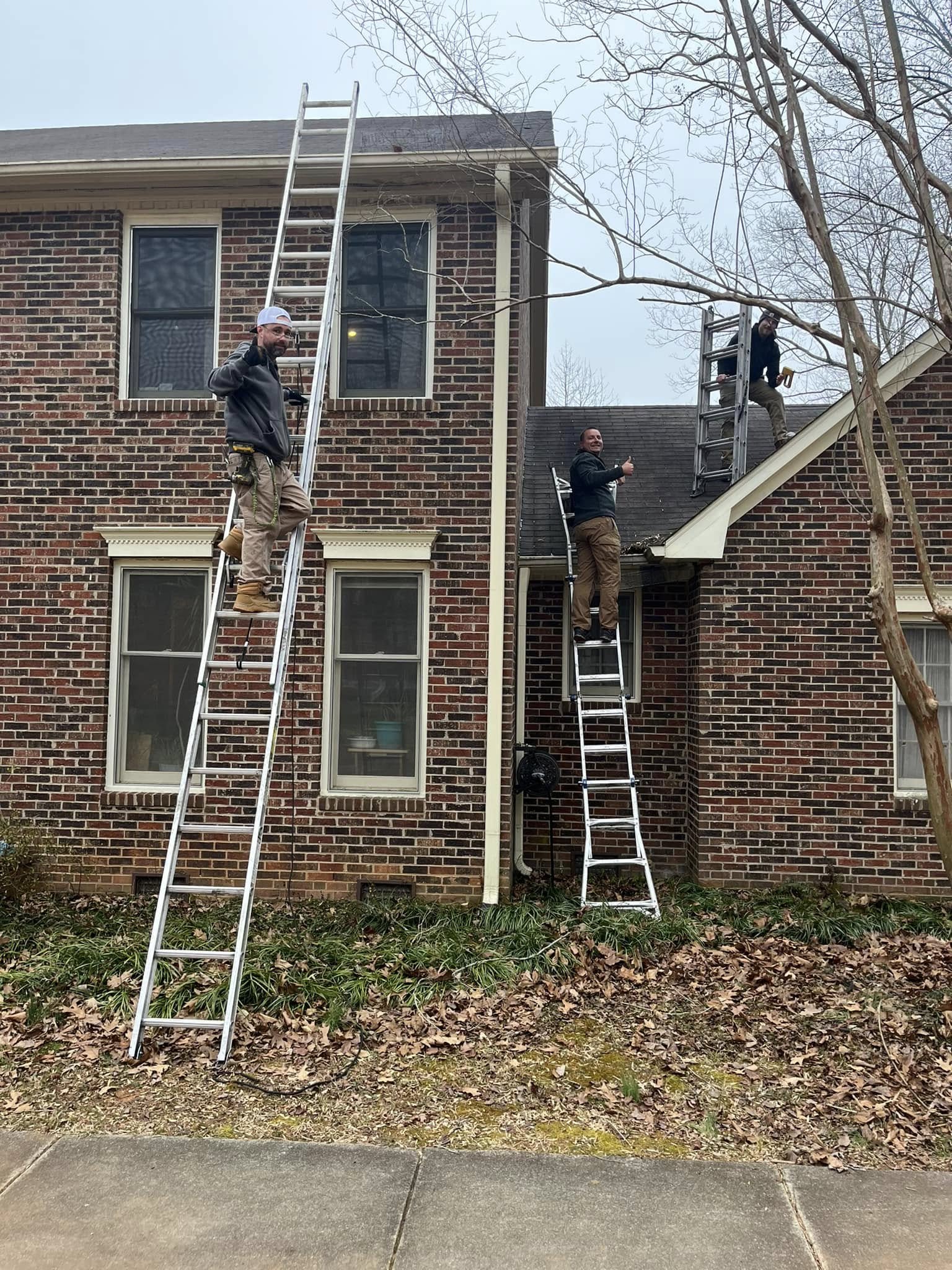
Durham Wildlife Exclusion for Chimneys, Eaves, and Crawl Spaces
In Durham, these areas are frequently used by bats, squirrels, birds, and rodents, often through gaps as small as half an inch.
Our wildlife exclusion work focuses on structural vulnerabilities rather than temporary repellents. We install chimney caps, screened vents, metal flashing, and reinforced barriers that block access without restricting airflow. We inspect mortar joints, roof intersections, soffits, and foundation vents, then seal both confirmed and potential openings with materials designed to withstand weather exposure and persistent chewing.
When combined with humane removal, this exclusion-based approach reduces recurring infestations and helps maintain a more secure building envelope year-round.
Finding the Source of Wildlife Activity in Durham
Wildlife activity around a Durham property can begin with something as small as a damaged vent, an opening along the roofline, or an unprotected gap leading into an attic or crawl space.
The signs may be noticeable, but the actual entry point is not always in the same area where the animal is heard or seen. That is why identifying how the property is being used by wildlife is an important part of determining what needs to be addressed. Roof condition, exterior openings, tree cover, and signs left behind can provide useful clues during an inspection.
For example, bat activity around an upper roof area may require a different approach from an animal entering beneath the structure or repeatedly accessing an attic. Evaluating those conditions helps determine the appropriate next step for Durham homes and businesses
Durham Wildlife Control FAQs
Do properties near the Eno River see wildlife moving through their yards?
Yes. The wooded areas and natural habitat surrounding the Eno River support many types of wildlife. Durham properties near these areas may see squirrels, raccoons, snakes, and other animals passing through yards. Seeing wildlife outdoors is normal, but repeated activity around an attic, crawl space, or roofline can be a reason to check for possible entry points.
Why might squirrels be active around mature Durham neighborhoods?
Neighborhoods such as Trinity Park and Watts-Hillandale have many mature trees that squirrels can use to move between yards and reach rooftops. Once on a roof, a squirrel may investigate gaps around soffits, fascia, vents, or other openings that could provide access to an attic.
Where can bats get into homes in Durham?
Bats can use surprisingly small openings around rooflines, vents, fascia, chimneys, and other upper portions of a structure. If bats are repeatedly seen entering or leaving the same area of a Durham home, an inspection can help determine whether they are roosting inside the building.
Can wildlife get into crawl spaces under Durham homes?
Yes. Damaged vents, gaps around utilities, loose screening, and other ground-level openings can provide access beneath a home. Raccoons, rodents, snakes, and other animals may investigate these sheltered areas, so recurring noises, droppings, or disturbed materials should be checked.
Schedule Wildlife Control in Durham, NC
If you are hearing animals inside your property, noticing damage around the exterior, finding droppings or nesting material, or experiencing recurring wildlife activity, it may be time for a professional inspection.
Contact Integrated Wildlife Management for wildlife control in Raleigh, NC. Our team can evaluate your property, identify areas of concern, and recommend the appropriate removal, exclusion, or prevention services for your home or business.
Local Coverage You Can Count On
Our team provides consistent, high-quality service across a broad coverage area, supporting both residential and commercial properties with dependable protection. Every location we serve reflects our commitment to delivering reliable solutions and long-term peace of mind.