
Residential Bird Removal | Integrated Wildlife Management
Protect your home from nesting and roosting birds with detailed inspections, proven exclusion solutions for rooflines and vents, and professional cleanup that helps safeguard insulation, airflow, and indoor air quality.
Residential Bird Control That Protects Your Home From Damage and Health Risks
When we notice birds nesting in gutters, soffits, vents, or along rooflines, we’re not just dealing with noise, we’re facing potential damage to insulation, wiring, and drainage systems, along with health risks from droppings and mites.
Our residential bird control services at Integrated Wildlife Management focus on inspecting access points, installing effective exclusion devices, and removing nests and contamination so we can protect our home’s structure, value, and indoor air quality while also identifying the most targeted options for long-term prevention.
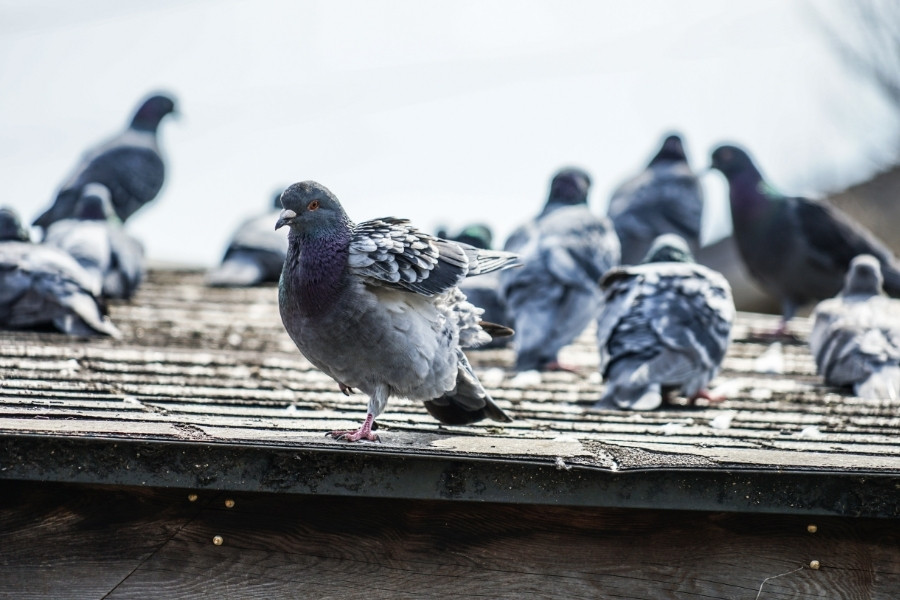
Common Bird Problems Around Homes and Rooflines
We often see roofline bird problems begin along gutter runs, ridge vents, and chimney caps, where loose coverings, gaps, or accumulated debris create perching and nesting opportunities that trap moisture, block drainage, and stain siding with droppings.
When birds access small gaps at soffits or along fascia boards, they can reach attic spaces, which can create the need for attic bird removal to address droppings, mites, and damaged insulation that reduces energy efficiency and air quality. We also see risks at bathroom and dryer vents, where nesting materials restrict airflow, making soffit and vent protection essential to prevent overheating hazards, persistent odors, and repeated cleanup inside and outside the home.
Explore All Our Wildlife and Pest Services
Discover the full range of solutions we offer to protect your home. From wildlife removal and exclusion to pest control and bird management, our team provides fast, reliable service tailored to Raleigh’s unique conditions. Choose any service below to learn more and get started.
Safe Bird Deterrents and Exclusion Methods for Nesting and Roosting
We get the strongest results when we act before peak nesting season, when birds are scouting ledges, beams, and sheltered corners, because early action prevents long-term site attachment and repeated use.
We use proven bird deterrents such as correctly installed bird spikes on flat ledges, properly tensioned bird netting under overhangs, and low-profile perch deterrents on high-pressure landing areas, all designed to make surfaces unstable or unattractive. Professional bird exclusion focuses on closing gaps above decorative trim, beneath roof returns, and along structural beams with weather-resistant materials, while using sound or visual devices only as supplemental, site-specific tools when they make sense for the property.
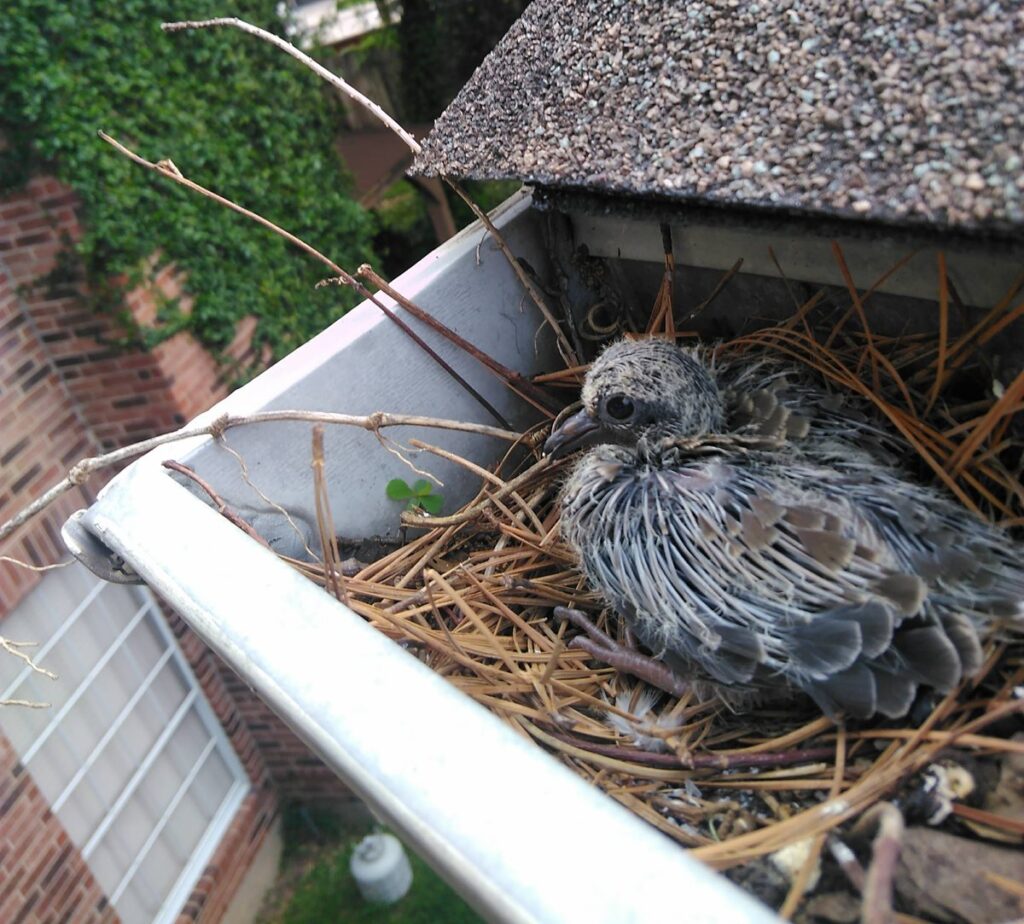
Protecting Attics, Soffits, and Vents From Bird Entry
We reduce risk with structural bird protection by inspecting eaves, rooflines, and gable ends for gaps as small as one inch, since many birds can exploit surprisingly narrow openings.
As part of home bird control, we make sure attic fans, dryer vents, bathroom exhausts, and ridge vents have securely fastened, corrosion-resistant screens or covers rated for exterior use, instead of improvised mesh that can fail under weather and sun exposure. When our team evaluates a property, we identify construction gaps, damaged soffit panels, and loose fascia, then recommend repairs that align with any future attic remediation, so exclusion work and structural sealing function as a durable, long-term barrier.
Cleaning and Sanitizing Bird-Impacted Areas Safely
We use a methodical approach that addresses both visible contamination and the microscopic risks that can linger in ventilation paths and attic voids.
Thorough bird dropping cleanup often includes:
- Physical removal of droppings, nests, and contaminated insulation
- HEPA-filter vacuuming to capture fine particulate matter and dust
- Application of EPA-registered disinfectants on affected surfaces
- Odor neutralization to reduce persistent bio-based smells
- Documentation that supports insurance needs and future inspections
When contamination extends into insulation or framing, we pair cleanup with integrated attic remediation that restores cleanliness and supports long-term structural integrity.
Local Coverage You Can Count On
Our team provides consistent, high-quality service across a broad coverage area, supporting both residential and commercial properties with dependable protection. Every location we serve reflects our commitment to delivering reliable solutions and long-term peace of mind.
Long-Term Residential Bird Prevention That Stops Repeat Nesting
For durable bird prevention, we rely on layered strategies: sealing gaps in soffits and rooflines, screening vents and chimney caps, and installing bird-safe barriers on ledges, solar panel edges, porch beams, and other repeat landing zones.
As we evaluate prevention options, we prioritize eco-friendly bird control methods that modify behavior instead of relying on toxins, including sloped ledge covers, tensioned bird wire along railings, and property-specific deterrent placements that reduce roosting pressure. Trimming back dense vegetation near structures, managing standing water, and using wildlife-resistant trash and feed storage reduces available food and shelter. Partnering with a licensed wildlife control team ensures materials are correctly installed, load-bearing components aren’t compromised, and the prevention plan can be adjusted as bird pressure and building conditions change over time.
A Practical Plan for Cleaner Spaces and Stronger Home Protection
By working with us at Integrated Wildlife Management, we’re not just reacting to visible bird activity, we’re addressing entry points, structural vulnerabilities, and sanitation concerns in a coordinated way that prevents repeat problems. Our inspections, exclusion solutions for soffits, vents, and rooflines, and detailed cleanup and remediation help protect building materials, insulation, and indoor air quality, while long-term prevention strategies reduce nesting pressure and keep the property aligned with health and safety expectations.