House Sparrow Removal | Integrated Wildlife Management
Remove house sparrows from vents, signs, and eaves with a step-by-step plan that clears nesting debris, restores sanitary conditions with HEPA cleanup and disinfection, and blocks re-entry with durable exclusion repairs.
House Sparrow Removal That Protects Vents, Structures, and Indoor Air Quality
When house sparrows invade our vents, storefront signs, or roof eaves, we’re not just dealing with noise, we’re facing clogged exhaust lines, droppings that can harbor pathogens, and gradual damage to insulation and wiring that can quietly raise repair costs.
At Integrated Wildlife Management, we focus on careful inspection, safe bird removal, and durable exclusion work, and understanding how each step fits together shows why long-term control depends on more than simply removing a visible nest.
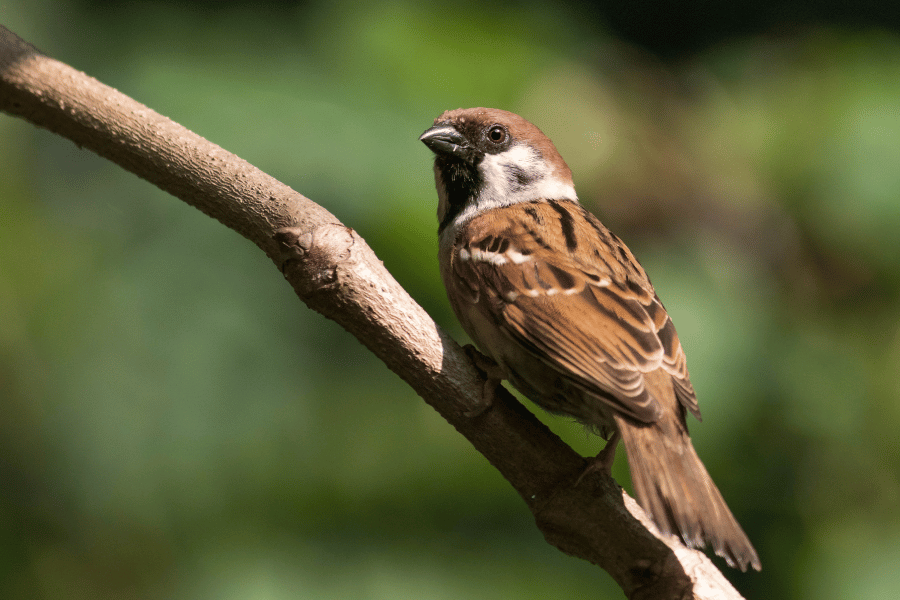
Common House Sparrow Problems In and Around Buildings
We often find nests packed into wall voids, light fixtures, signage cavities, and roof edges, where they trap moisture, block drainage, and accelerate rot or rust on metal components, which can turn minor maintenance into expensive repairs.
Droppings commonly build up on walkways, HVAC units, and stored materials, introducing bacteria and fungal spores, while nesting materials and feathers can attract secondary pests such as mites and beetles. Indoors, persistent chirping and movement in ceilings or soffits can point to larger, multi-season colonies that expand quickly if we don’t act early. Effective sparrow control and small bird exclusion starts with identifying the specific access points they’re using and documenting activity patterns so we can prioritize the right repairs and protections.
Explore All Our Wildlife and Pest Services
Discover the full range of solutions we offer to protect your home. From wildlife removal and exclusion to pest control and bird management, our team provides fast, reliable service tailored to Raleigh’s unique conditions. Choose any service below to learn more and get started.
Safe Sparrow Removal From Vents, Signs, and Eaves
When we’re dealing with birds in vents, we can’t simply pull nesting material from the duct, because we risk damaging fan housings, flex lines, and terminations, and we can also trap live birds deeper in the system, which is why controlled inspection and staged extraction matter.
For sign and canopy nesting, we access the cabinet or canopy structure, secure wiring and components, then remove adults and nests with specialized tools that prevent debris from dropping onto walkways, vehicles, or customers. Along eaves, we stabilize loose soffit panels, document entry gaps, and remove sparrows in a sequence that prevents collapse of packed nesting material, coordinating extraction with the cleanup steps that support safe, complete removal.
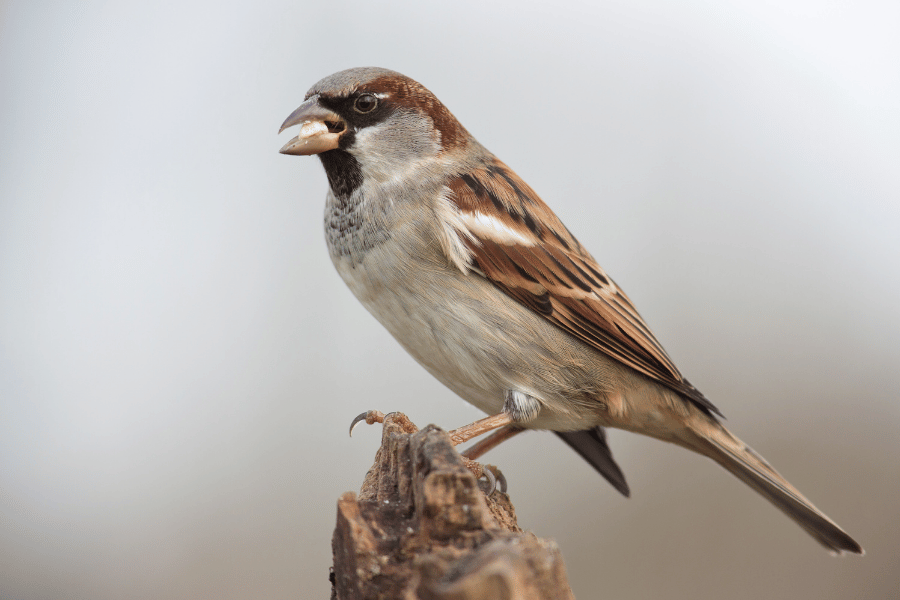
Cleaning and Sanitation After Sparrow Nesting
We want nesting debris carefully bagged, HEPA-vacuumed, and removed from the site, because droppings can support fungi and bacteria that aggravate asthma and other respiratory conditions, especially in enclosed mechanical spaces and structural cavities.
We typically scrape and vacuum buildup from ledges, duct openings, and sign housings, then apply disinfectants rated for avian waste, allowing proper contact time to reduce pathogen loads. When activity has been ongoing, we document contamination levels and affected areas for maintenance records, then deodorize surfaces and replace damaged insulation or soiled materials so the structure returns to a clean baseline before exclusion work is installed.
Exclusion Repairs That Prevent Sparrow Re-Entry
We inspect and measure each former access route, then seal it with materials that resist pecking, weather, and corrosion, including galvanized hardware cloth over vents, metal flashing along roof intersection gaps, and rigid screening on open cavities.
We document holes larger than about three-quarters of an inch, then install fastened structural barriers rather than temporary foam or loose mesh. On residential structures, this often includes sealing soffit gaps, reinforcing dryer and bathroom vent covers, and tightening decorative openings without restricting airflow or drainage. For commercial properties, we may reinforce canopies, illuminated signs, and façade ledges, creating a continuous protective envelope that blocks re-entry and reduces repeated nesting cycles.
Local Coverage You Can Count On
Our team provides consistent, high-quality service across a broad coverage area, supporting both residential and commercial properties with dependable protection. Every location we serve reflects our commitment to delivering reliable solutions and long-term peace of mind.
Preventive Measures That Reduce House Sparrow Pressure Long Term
We reduce seed spills and food debris, store bulk feed in sealed containers, and eliminate standing water in clogged gutters, HVAC pans, or decorative features that aren’t maintained.
We also modify structures sparrows routinely exploit by upgrading vent covers, tightening gaps around utility lines, and replacing loose soffit panels, while using bird-resistant design choices for signs, canopies, and loading areas. For larger facilities, we integrate deterrent netting, ledge alternatives, and seasonal monitoring into an ongoing prevention program that tracks activity by location, identifies emerging pressure points early, and keeps protective systems performing as intended.
A Reliable Plan for Clean Structures and Ongoing Protection
By working with us at Integrated Wildlife Management, we make certain house sparrows are removed systematically from vents, signs, and eaves, nests and droppings are cleaned with HEPA filtration and proper disinfection, and access points are sealed with galvanized screening and durable repairs so the structure stays protected. We also gain clear, site-specific guidance on reducing food, water, and shelter sources, which helps prevent re-infestations and supports healthier, better-maintained conditions over the long term.