
Wildlife Control In Wilsons Mills, NC | Integrated Wildlife Management
Get professional wildlife control in Wilsons Mills, NC with detailed inspections, safe removal, attic cleanup, and durable wildlife exclusion that secures rooflines, vents, decks, and crawlspaces to prevent repeat intrusions.
What’s Happening When Wildlife Finds Its Way Into A Wilsons Mills Home
When wildlife shows up in a Wilsons Mills home, the immediate noise or mess is only part of the story—the bigger issue is how animals are getting in, where they’re traveling, and what they’re damaging while they’re inside.
At Integrated Wildlife Management, we take a structured approach that starts with a thorough inspection, continues with safe, controlled removal, and finishes with durable exclusion and repair work that strengthens the structure against the next intrusion. This is how we protect attics, crawlspaces, rooflines, and exterior features so you’re not stuck in the cycle of repeat activity season after season.
Customized Wildlife Protection For Wilsons Mills Homes
We evaluate rooflines, vents, decks, and foundation gaps, then prioritize wildlife exclusion work that uses durable materials matched to local species pressure and building conditions.
When active wildlife is present, we coordinate removal with next-step repairs so you’re not left with the same access points still open. If insulation or hidden cavities have been impacted, we also plan attic cleanup and remediation to remove contaminated material, sanitize affected surfaces, and address issues like chewed wiring or disturbed ductwork so the home returns to safer, more stable conditions.
Explore All Our Wildlife and Pest Services
Discover the full range of solutions we offer to protect your home. From wildlife removal and exclusion to pest control and bird management, our team provides fast, reliable service tailored to Raleigh’s unique conditions. Choose any service below to learn more and get started.
Careful Inspections To Track Wildlife Routes And Nesting Spots
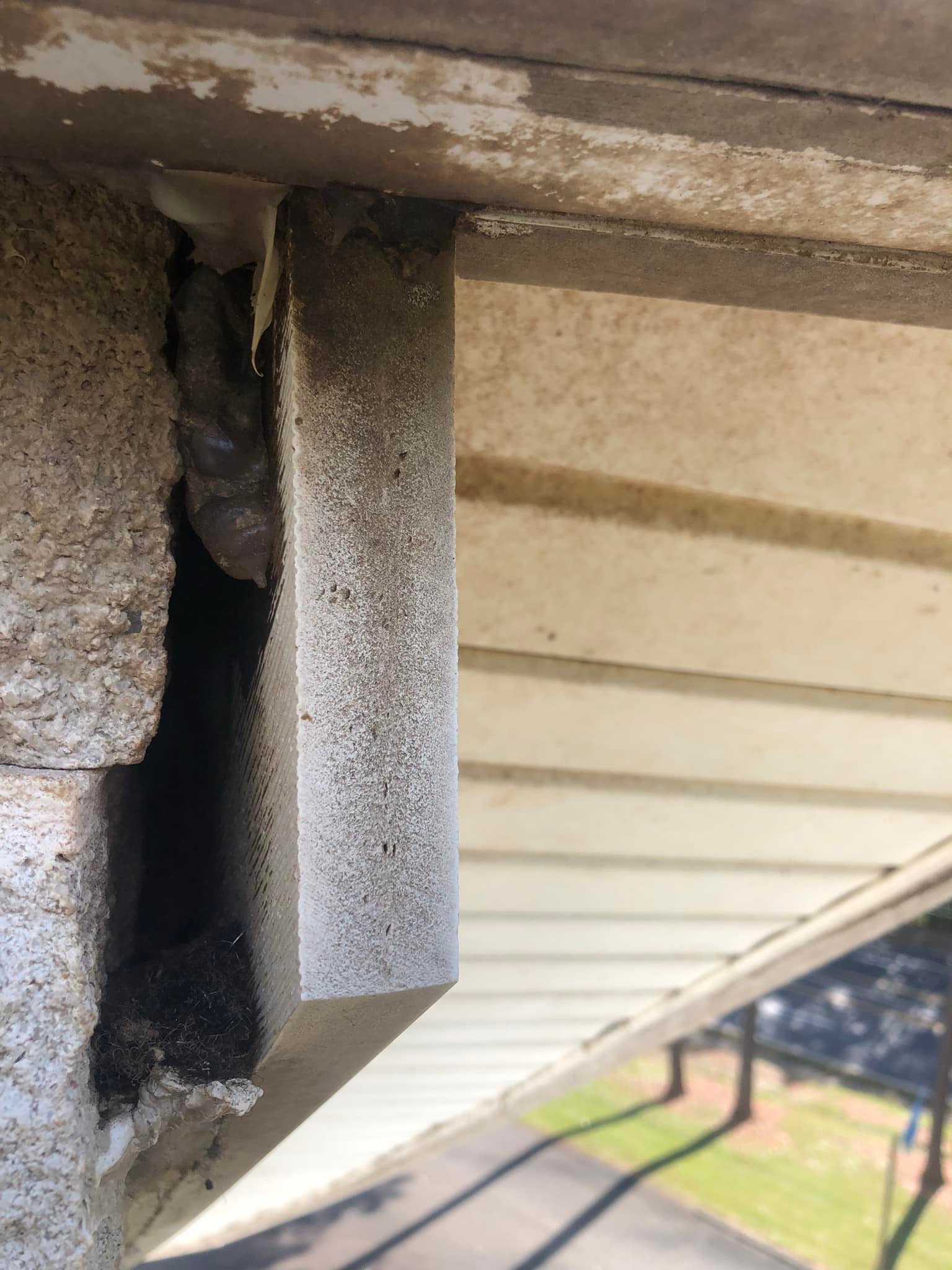
We document chew marks, rub staining, droppings, and insulation trails that reveal travel routes through soffits, wall voids, attics, crawlspaces, and utility chases.
During a typical inspection, we:
- Trace likely entry points from roofline to foundation and document structural gaps.
- Map interior runways and activity zones in attics, crawlspaces, and chases.
- Identify active and inactive nesting areas so the plan supports long-term home protection.
This inspection phase is what makes the next steps efficient, because removal and exclusion can be targeted to the exact routes wildlife is using.
Safe, Controlled Removal That Reduces Risk And Disruption
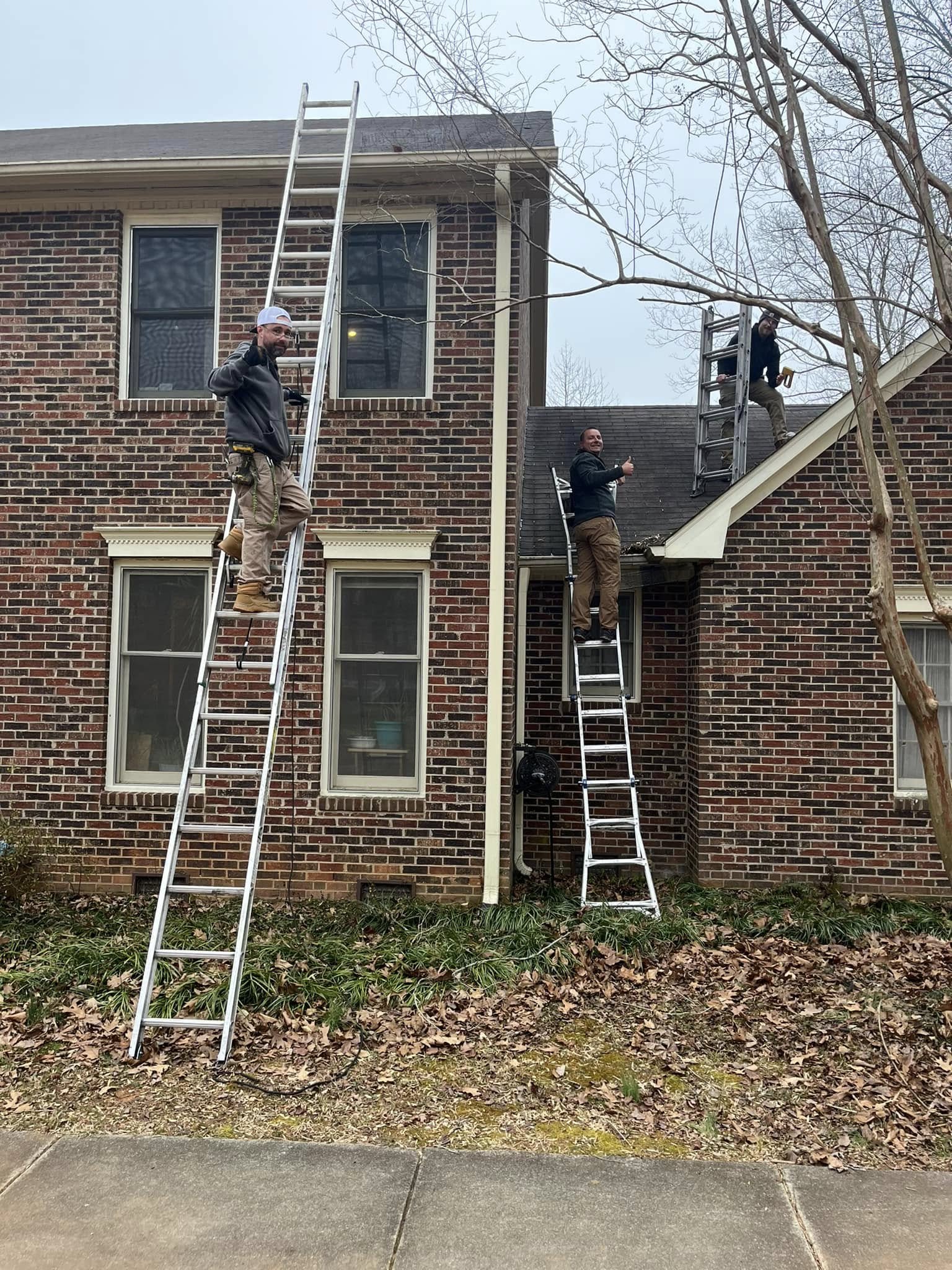
We confirm the species and activity patterns, then use controlled strategies such as one-way exit solutions, live trapping when appropriate, and removal timing that avoids creating avoidable complications.
As part of removal planning, we also evaluate contamination and structural impact so the next phase is clear. That can include coordinating animal damage repairs, replacing soiled insulation, disinfecting affected areas, and reinforcing vulnerable building components that are most likely to invite repeat entry if they aren’t secured.
Structural Exclusion That Secures Rooflines, Vents, And Crawlspaces
We methodically inspect these areas and reinforce them with solutions designed for real-world conditions, not temporary patching.
Our exclusion work typically includes:
- Installing strong screening on roof vents and ridge caps, especially after bat-related roofline activity.
- Securing fascia gaps, roof returns, and loose soffits that commonly lead to repeat attic intrusions.
- Closing foundation cracks, pipe penetrations, and crawlspace gaps with metal flashing and exterior-grade sealants to support long-term rodent prevention.
When exclusion is done correctly, it turns removal into a lasting outcome by cutting off the pathways wildlife would otherwise reuse.
Local Coverage You Can Count On
Our team provides consistent, high-quality service across a broad coverage area, supporting both residential and commercial properties with dependable protection. Every location we serve reflects our commitment to delivering reliable solutions and long-term peace of mind.
Long-Term Wildlife Prevention Strategies For Wilsons Mills Residents
We help you reduce future wildlife pressure by recommending regular monitoring, timely maintenance, and practical property adjustments that keep defenses intact year after year.
You can lower the likelihood of repeat attic issues by trimming tree branches away from roof access points, keeping chimneys properly capped, and scheduling periodic checks of soffits, vents, and crawlspaces. To reduce bird nesting pressure, we recommend protecting vent openings, keeping dumpsters and outdoor food sources managed, and addressing standing water that supports insect activity. When you pair these steps with documentation and structured follow-ups, emerging issues are identified early—before animals establish residence and before the damage becomes expensive.
A Clear Plan For A Safer Home And Fewer Repeat Intrusions
When you work with Integrated Wildlife Management for wildlife control in Wilsons Mills, NC, you get a structured process that begins with detailed inspections, continues with safe removal methods, and finishes with durable exclusion and practical prevention steps that reduce repeat entry. By addressing structural vulnerabilities, protecting insulation and wiring, and supporting cleaner indoor conditions through targeted remediation when needed, we help you maintain a more secure, predictable home environment with fewer surprises and fewer recurring wildlife problems.