Wildlife Control In Rougemont, NC | Integrated Wildlife Management
Get professional wildlife control in Rougemont, NC with detailed inspections, targeted removal, attic decontamination, and durable wildlife exclusion that seals rooflines, soffits, and vents to stop repeat intrusions.
What It Takes To Solve Wildlife Problems In Rougemont The Right Way
When we handle wildlife control in Rougemont, NC, we’re not just responding to an animal in the attic—we’re correcting the conditions that let wildlife use a home, farm structure, or commercial building as shelter in the first place. That means we map how animals move across the property, identify entry gaps along rooflines, soffits, and vents, and evaluate the food, water, and cover sources that keep drawing them back.
From there, we combine capture and removal, attic decontamination, and durable exclusion materials so the current issue gets resolved while the structure is set up to stay protected moving forward.
Property-Specific Wildlife Control Strategies Built For Rougemont
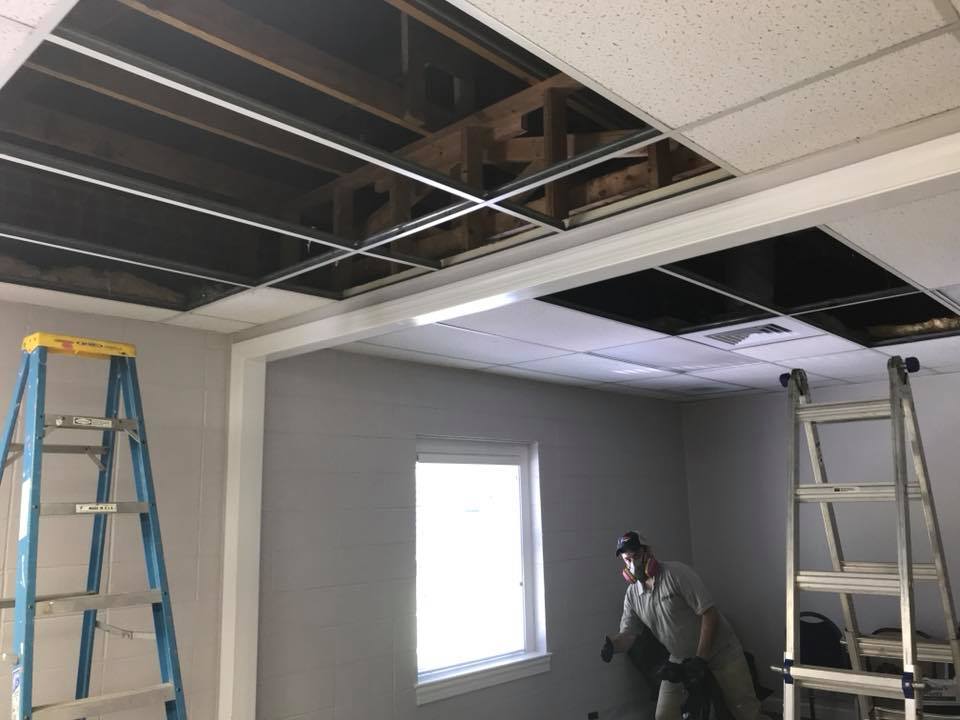
When we’re brought in for wildlife control in Rougemont, NC, we start with a structured inspection that looks at travel routes, denning sites, and pressure points on the building envelope, including roof returns, fascia lines, foundation gaps, and soffit intersections.
From that data, we design a plan that may include targeted trapping, site adjustments that reduce attractants, and long-term wildlife exclusion Rougemont property owners can count on. We also align the work with your building type and day-to-day operations, keeping disruption minimal while still addressing the root cause—how wildlife is getting access and what is making the structure appealing.
Explore All Our Wildlife and Pest Services
Discover the full range of solutions we offer to protect your home. From wildlife removal and exclusion to pest control and bird management, our team provides fast, reliable service tailored to Raleigh’s unique conditions. Choose any service below to learn more and get started.
Controlled Capture And Removal For Problem Wildlife In Attics And Crawlspaces
We begin by confirming the species, locating active zones, and identifying entry and exit routes, then we use calibrated trapping and species-appropriate removal methods that keep the process controlled and compliant with North Carolina requirements.
For common attic wildlife issues in Rougemont—such as squirrels, bats, and raccoons—removal is only the first phase. We follow capture with a clear plan for sanitation and exclusion so you’re not left with lingering contamination, recurring noise, or the same animal pathways left open for the next intruder.
Hardening Rooflines, Soffits, And Vents Against Repeat Entry
Lasting wildlife control in Rougemont comes from replacing weak, temporary patching with weather-resistant materials that hold up against moisture, chewing, and force over time.
To reduce repeat intrusions, we typically:
- Inspect fascia, drip edges, ridge vents, and roof returns for gaps, rot, or loose sections.
- Install metal flashing and animal-resistant vent covers secured with exterior-grade fasteners.
- Replace or reinforce damaged soffit panels and strengthen junctions where gaps tend to reopen.
- Confirm the sealing work ties into damage cleanup so hidden breaches aren’t left behind.
Attic Decontamination And Cleanup After Wildlife Activity
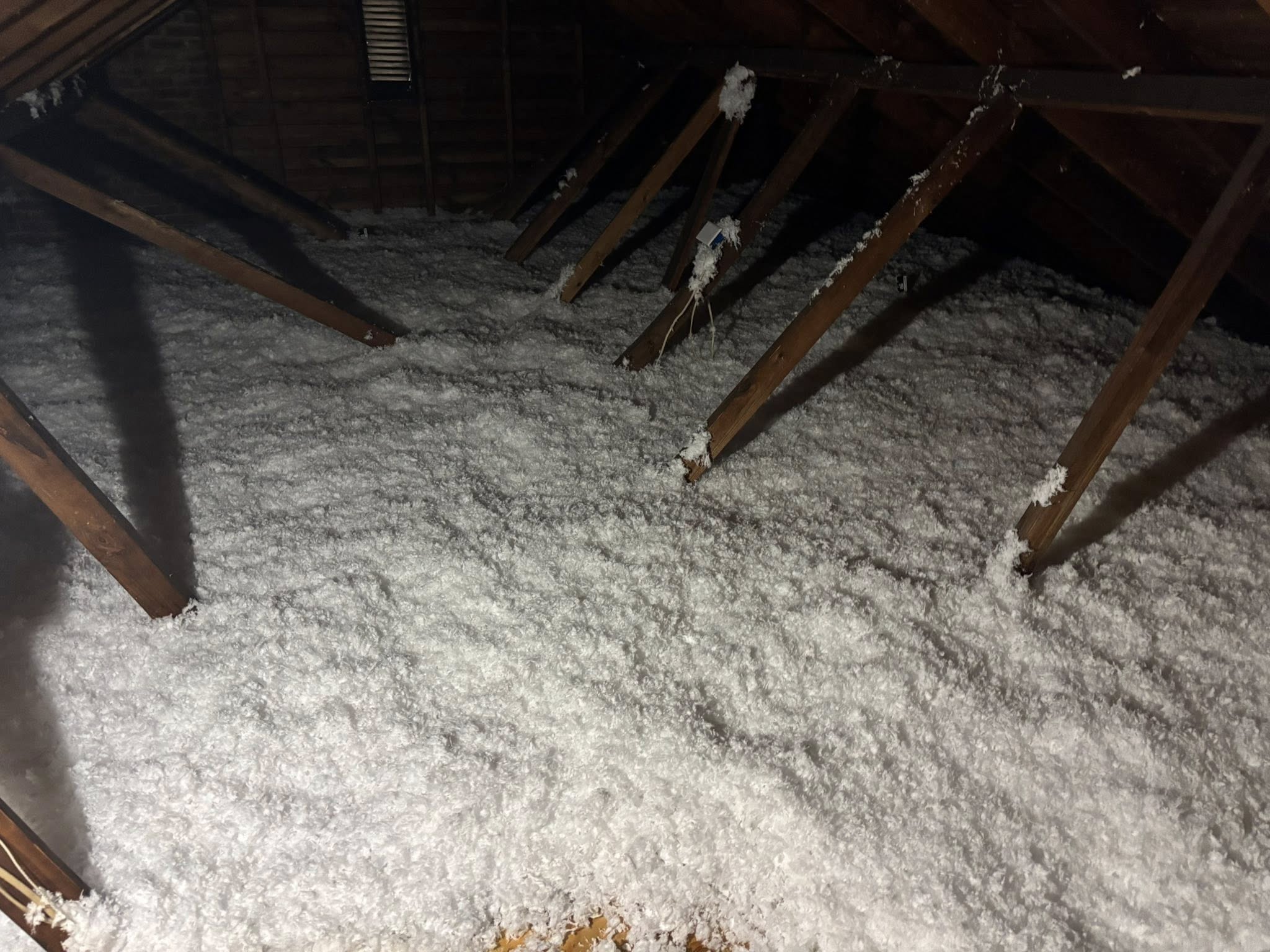
nesting debris, parasites, and odor that continue to affect air quality and building materials. This isn’t a surface-level issue—contaminated insulation can release particles when disturbed, and moisture-laden waste can soak into drywall and framing, creating persistent odor and long-term deterioration.
When we perform attic remediation as part of wildlife control in Rougemont, we may remove affected insulation, use HEPA-filtered equipment for debris cleanup, apply targeted disinfecting products, and neutralize odor sources so the space is returned to a cleaner, safer condition and prepared for any repair work that follows.
Local Coverage You Can Count On
Our team provides consistent, high-quality service across a broad coverage area, supporting both residential and commercial properties with dependable protection. Every location we serve reflects our commitment to delivering reliable solutions and long-term peace of mind.
Preventive Wildlife Barriers That Keep Rougemont Properties Protected
Our prevention work focuses on how rooflines, soffits, crawlspaces, and utility penetrations interact, then closes vulnerabilities in a connected way so animals can’t simply shift to a nearby weak spot.
We typically recommend prioritizing:
- Sealing roof and soffit gaps with galvanized metal and properly secured mesh.
- Screening crawlspace vents and reinforcing foundation access points where wildlife pressure is common.
- Installing chimney caps and attic screening to reduce high-risk roofline entry.
- Strengthening door and utility gaps on mixed-use structures where repeated intrusion is more likely.
A Structured Plan That Solves Today’s Problem And Reduces The Next One
When you work with Integrated Wildlife Management for wildlife control in Rougemont, NC, you get a step-by-step process that begins with detailed inspection and species identification, continues through controlled removal and attic decontamination, and ends with targeted repairs and exclusion that reinforce rooflines, soffits, vents, and other common entry routes. By pairing durable materials with practical prevention steps that reduce attractants and structural vulnerability, we don’t just resolve the current issue—we help lower the likelihood of repeat infestations and the costly damage and contamination that often follow.