
Nutria Removal | Integrated Wildlife Management
Protect your pond banks and shorelines with professional nutria removal, targeted trapping, exclusion upgrades, and shoreline repair strategies that stop erosion and prevent recurring damage.
Nutria Damage Signs That Shouldn’t Be Ignored
When we start seeing collapsing pond banks, chewed vegetation, and burrow openings right at the waterline, we’re usually dealing with nutria, and quick, informed action matters if we want to avoid costly erosion and structural failures.
At Integrated Wildlife Management, we focus on live-trapping, targeted exclusion, and proper shoreline repair that not only removes current animals but also limits future damage, and understanding how this process works helps us decide what to do next before bank loss turns into long-term repair work.
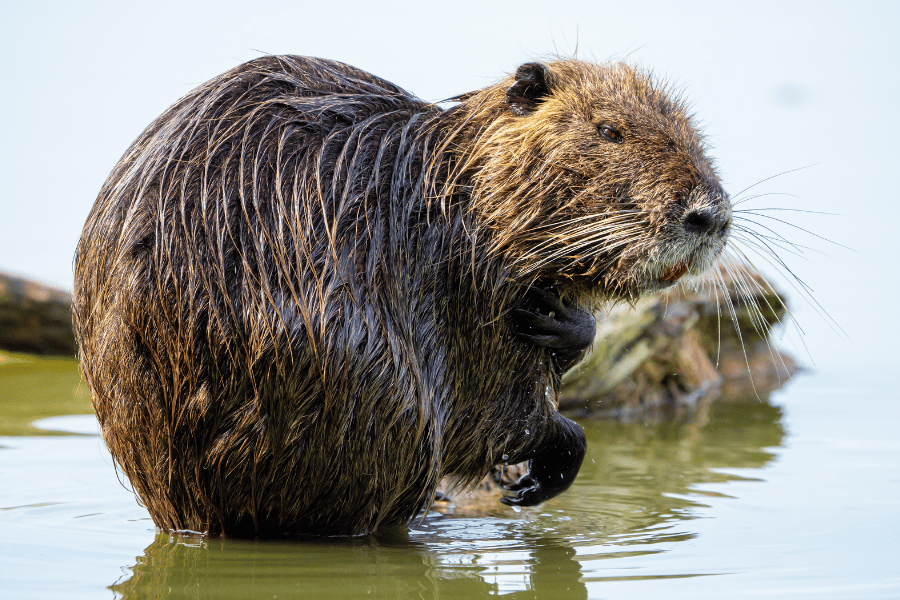
How We Identify Nutria Damage Around Ponds and Shorelines
We typically notice steep, freshly collapsed sections of shoreline where underground burrows have weakened soil, creating sudden erosion damage that can expose roots, utility lines, or piling bases.
We may also find low, oval burrow openings, roughly 4–8 inches wide, positioned just above the normal waterline, often clustered in softer soil near culverts, spillways, and dock footings. Vegetation loss is another clear indicator: wide feeding trails cut through emergent plants, closely cropped grass at the water’s edge, and missing young trees or shrubs with sharply clipped stems. By tracking these changes consistently, we can plan nutria removal as part of broader pond and shoreline protection before washouts, slope failures, or compromised water-control structures occur.
Explore All Our Wildlife and Pest Services
Discover the full range of solutions we offer to protect your home. From wildlife removal and exclusion to pest control and bird management, our team provides fast, reliable service tailored to Raleigh’s unique conditions. Choose any service below to learn more and get started.
Live-Trapping and Nutria Removal Services That Reduce Ongoing Damage
With professional nutria control, we’re not relying on improvised traps or guesswork, we’re using calibrated equipment, documented methods, and trained technicians who understand nutria behavior, travel routes, and feeding patterns.
As part of our trapping process, we typically deploy enclosed live traps sized for nutria, position them along runways and den entrances, and bait them with vegetation nutria actively consume to reduce non-target captures. We monitor traps frequently to minimize stress, then handle captured nutria in accordance with state regulations and accepted animal-care protocols. We also coordinate trapping with exclusion and habitat adjustments, because removal alone doesn’t stop rapid recolonization when food, cover, and burrow-friendly soils remain unchanged.
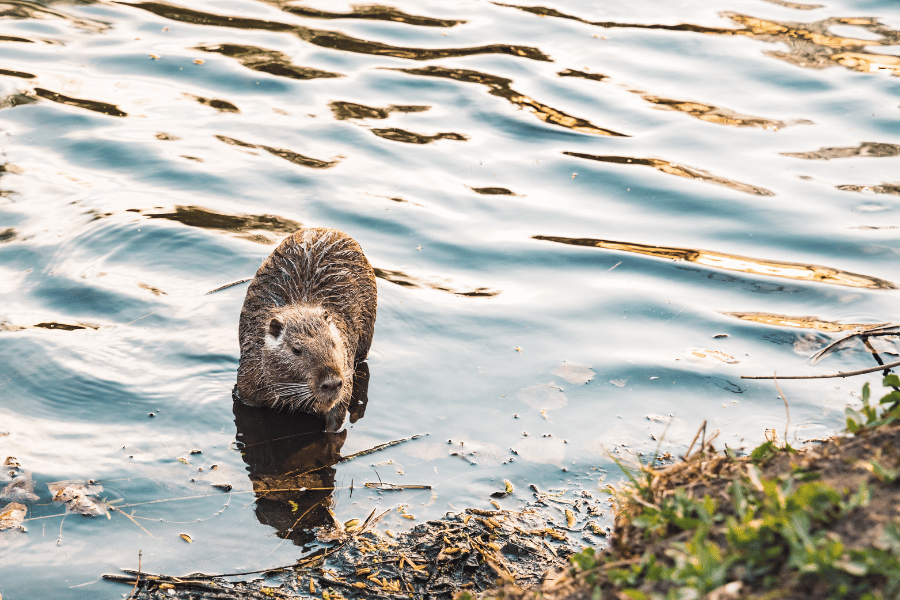
Protecting Banks, Dams, and Landscaping From Burrowing Pressure
We need a structured plan that stabilizes soil, limits access, and integrates both residential and commercial property needs so damage doesn’t escalate into slope failures or compromised water-control systems.
To protect these assets, we can:
- Install heavy-gauge wire mesh or riprap along vulnerable shorelines to discourage burrowing.
- Maintain a dense buffer of deep-rooted native plants that bind soil and make tunneling more difficult.
- Use managed water-level and vegetation strategies that reduce attractive feeding and denning zones.
- Coordinate ongoing monitoring, trapping, and exclusion with a long-term damage-prevention plan, keeping dams, decorative banks, ponds, and shared community water features structurally sound and visually intact over time.
Repairing and Restoring Shorelines After Nutria Activity
After removal, we map every den, run, and slide, then excavate and compact voids methodically, using suitable fill such as clay-based soils or engineered aggregates to re-establish stability in embankments and dam faces.
Next, we rebuild shoreline contours, install erosion-control fabric, and add rock armoring or coir logs where hydraulic pressure is highest, which helps prevent renewed sloughing. We also replant with deep-rooted native vegetation to stabilize soil, filter runoff, and restore shoreline function over time. As repairs are completed, we integrate exclusion measures such as hardware cloth in high-risk zones and buried barriers along vulnerable edges, aligning restoration with long-term property resilience rather than short-term patchwork.
Local Coverage You Can Count On
Our team provides consistent, high-quality service across a broad coverage area, supporting both residential and commercial properties with dependable protection. Every location we serve reflects our commitment to delivering reliable solutions and long-term peace of mind.
Long-Term Nutria Prevention Through Habitat Changes and Monitoring
We reduce attractive conditions around ponds, drainage ditches, and stormwater features, then pair those changes with durable exclusion, consistent inspections, and fast response when new activity appears.
A long-term prevention plan typically includes:
- Modifying shorelines by stabilizing banks with rock, installing erosion control fabric, and reducing dense emergent vegetation where burrows and feeding often occur.
- Strengthening structural barriers by protecting culverts, levees, retaining walls, and foundations with wire mesh and durable hardscape materials where digging historically happens.
- Implementing ongoing surveillance using trail cameras, bank surveys, and sign tracking, especially after major rain events or nearby construction.
- Coordinating professional support that integrates invasive rodent control, nuisance wildlife trapping, and exclusion into a single long-range management program.
A Clear Plan for Shoreline Stability and Ongoing Protection
By partnering with us at Integrated Wildlife Management, we address current nutria activity through live-trapping, targeted removal, and damage repair, while also reducing the likelihood of future burrowing and vegetation loss through exclusion materials, habitat modification, and routine monitoring. We gain a structured, regulation-aligned plan that protects ponds, embankments, and landscaping, supports long-term shoreline stability, and lets us focus on managing the property rather than reacting to recurring erosion, collapsed banks, and costly infrastructure failures.