
The Best Wildlife Control Service In Micro
Protect your Micro home or business with professional wildlife control, detailed inspections, safe removal, and exclusion solutions designed to help reduce recurring wildlife problems.
Small Wildlife Problems Can Become Bigger Property Issues
Squirrels, bats, raccoons, rodents, birds, snakes, and other nuisance wildlife may become a problem when they find dependable shelter around a property. Attics, crawl spaces, garages, rooflines, sheds, vents, and exterior openings can all provide protected areas where animals can settle.
Homeowners may first notice scratching sounds, droppings, unusual odors, damaged materials, or activity around foundations and storage areas.
Mice can be especially difficult to detect because they can use small gaps around utility lines, doors, foundations, and exterior construction. Professional mice control can help address active activity when rodents begin using walls, storage spaces, or other parts of the home.
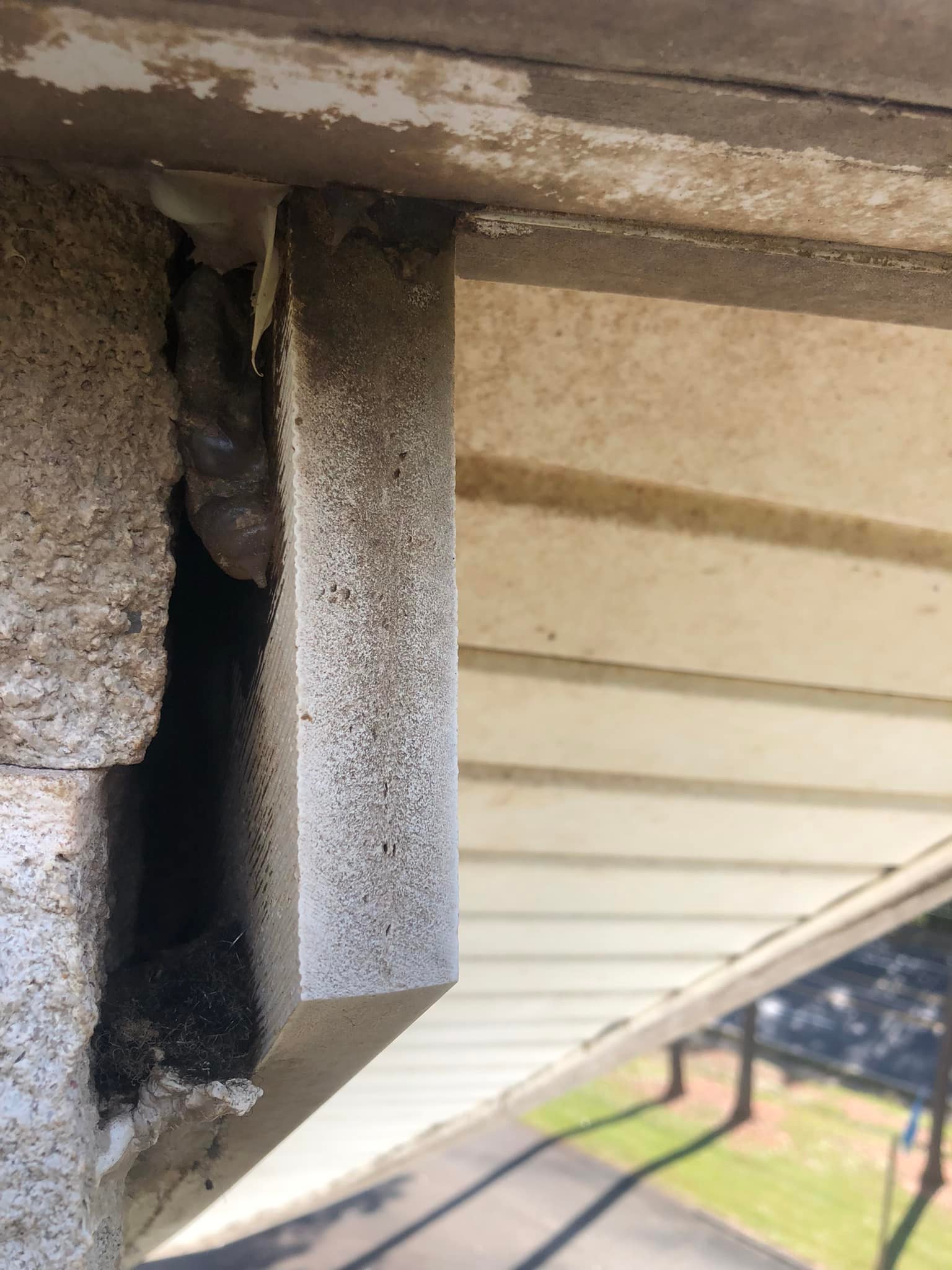
Rural Land Surrounds Micro on Every Side
Wildlife moving through these surrounding areas may investigate sheds, garages, crawl spaces, and other sheltered parts of nearby homes.
Lower portions of a property can be especially vulnerable where crawl space doors, vents, or foundation openings remain accessible. Professional crawl space exclusion can help address access beneath the structure when wildlife or rodents begin using those openings.
Wildlife Conditions Around Micro’s Small Town Core
Micro has a much smaller and more concentrated town center than larger communities nearby. East Main Street, US 301, Micro Elementary School, and Jerome Park provide recognizable local reference points, while rural properties begin close to the town limits.
That compact layout means wildlife conditions can change within a short distance. Homes near the center may have older construction, detached garages, or crawl space access, while properties closer to the town’s edges may see more wildlife moving through fields, wooded land, and larger lots.
Micro Neighborhoods and Local Areas We Serve
From central Micro and East Main Street to properties along US 301 and the rural areas surrounding town, Integrated Wildlife Management serves homes and businesses throughout the Micro area. If you are unsure whether your address falls within our service area, call our team and we will be happy to confirm coverage.
Explore All Our Wildlife and Pest Services
Micro’s compact residential area sits close to US 301, farmland, open lots, and rural properties, so wildlife and pest concerns can vary quickly from one property to the next. Integrated Wildlife Management provides wildlife removal, exclusion, pest control, and bird management services for homes, outbuildings, and businesses throughout the Micro area, with recommendations based on the structure and surrounding conditions.
Older Homes, Sheds, and Garages Can Offer Shelter
Wildlife using an outbuilding may also move closer to the main home if food, water, or additional shelter is available nearby.
Checking both the primary structure and surrounding outbuildings can help identify where activity is actually occurring.
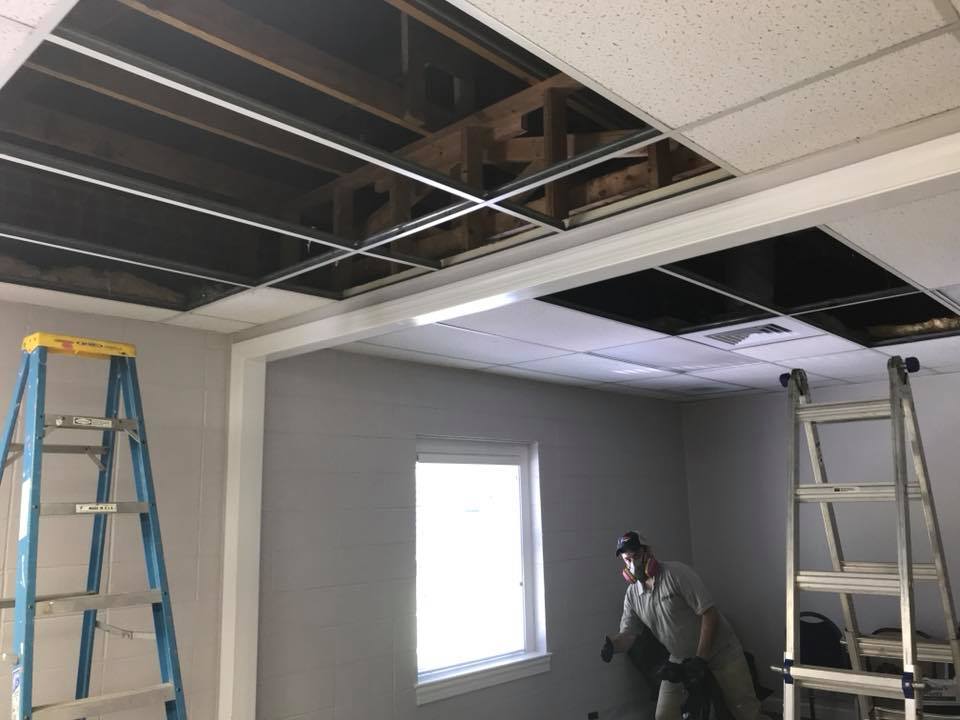
When Wildlife Leaves More Than Noise Behind
Professional dead animal removal can help locate and remove the source when it is difficult to reach.
Droppings, nesting material, damaged insulation, or other debris may also remain after wildlife is gone. An inspection can help determine whether additional cleanup or property protection is needed.
Closing Off Vulnerabilities Around the Whole Property
Potential entry points can include soffits, fascia, vents, roof intersections, foundations, crawl space openings, utility penetrations, and gaps around exterior construction.
For Micro properties with vulnerabilities in several areas, full home exclusion can provide a broader approach by addressing access points from the foundation through the roofline.
Reducing these openings can help lower the chance of another animal using the same route later.
Micro Wildlife Control FAQs
Do rural properties around Micro experience different wildlife problems than properties closer to town?
They can. Larger lots, farmland, wooded edges, sheds, barns, and drainage areas can provide more places for wildlife to travel or shelter. The exact activity depends on the property and surrounding habitat.
Can unused barns or outbuildings around Micro attract wildlife?
Yes. Buildings that remain quiet for long periods can provide sheltered spaces for rodents, bats, birds, raccoons, and other wildlife when accessible openings are present.
Does wildlife activity around Micro change with the seasons?
It can. Weather, breeding periods, food availability, and seasonal shelter needs can influence when certain animals become more noticeable around homes and outbuildings.
Does Integrated Wildlife Management serve properties throughout the Micro area?
Yes. Integrated Wildlife Management provides wildlife and pest control services for homes and businesses in the Micro area. If you are unsure whether your address is within the service area, contact the team to confirm coverage.
Get Wildlife Control Help in Micro, NC
If you are hearing animals inside your property, noticing unusual odors, finding droppings or nesting material, or seeing recurring wildlife activity, a professional inspection can help identify the source.
Contact Integrated Wildlife Management for wildlife control in Micro, NC. Our team can evaluate your home or business and recommend appropriate removal, exclusion, or prevention services based on the conditions present.
Local Coverage You Can Count On
Our team provides consistent, high-quality service across a broad coverage area, supporting both residential and commercial properties with dependable protection. Every location we serve reflects our commitment to delivering reliable solutions and long-term peace of mind.