Wildlife Control In Chapel Hill, NC | Integrated Wildlife Management
We provide humane, inspection-driven wildlife control in Chapel Hill, NC with expert removal, exclusion, cleanup, and long-term prevention to protect your home from damage and recurring infestations.
Professional Wildlife Control Solutions for Chapel Hill Homes
When wildlife finds its way into homes in Chapel Hill, the issue is rarely limited to a single animal. We approach wildlife control by identifying how squirrels, rodents, bats, raccoons, and other species gain access, where they nest, and what damage they leave behind.
At Integrated Wildlife Management, we combine detailed inspections, humane removal methods, and structural exclusion to address soffits, vents, rooflines, and foundations.
This process allows us to solve the immediate problem while strengthening your home against future intrusions and hidden risks that often go unnoticed at first.
Full-Service Wildlife Control for Chapel Hill Properties
We follow a coordinated process that starts with locating active wildlife in attics, crawl spaces, rooflines, and wall voids, then removing animals using methods appropriate for your home’s construction and the species involved. Once removal is complete, we assess secondary damage that may include contaminated insulation, stained sheathing, or chewed wiring.
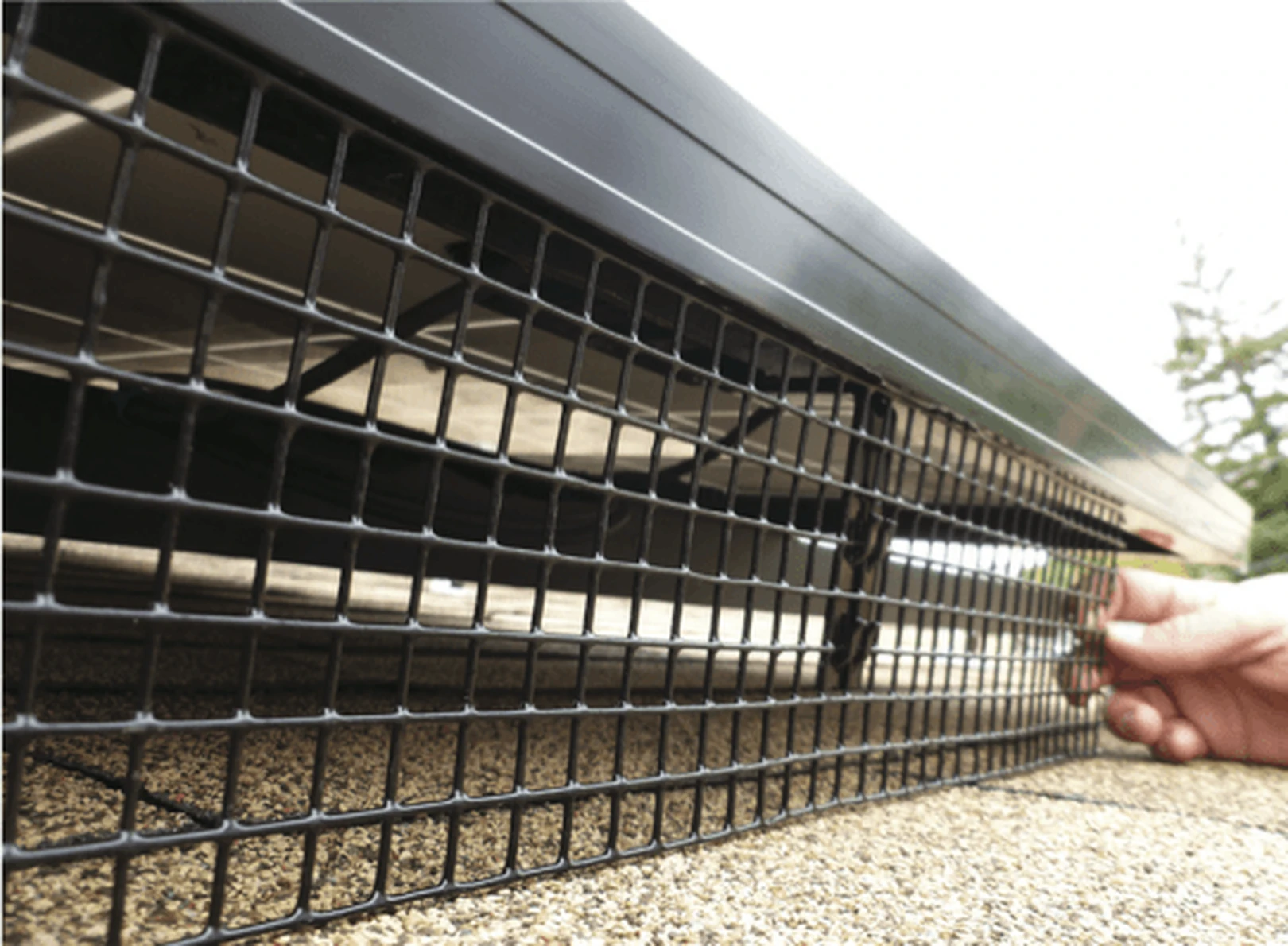
We then move into cleanup and prevention. Our attic remediation services remove soiled insulation, vacuum droppings, apply disinfectants, and document conditions so you understand what repairs may be needed. Finally, we implement wildlife exclusion solutions that seal gaps around roof returns, soffits, vents, and foundation penetrations using metal flashing, hardware cloth, and durable sealants. This integrated approach makes re-entry physically difficult and far less likely over time
Explore All Our Wildlife and Pest Services
Discover the full range of solutions we offer to protect your home. From wildlife removal and exclusion to pest control and bird management, our team provides fast, reliable service tailored to Raleigh’s unique conditions. Choose any service below to learn more and get started.
Protecting Chapel Hill Families From Wildlife-Related Health Risks
Animals such as bats, rodents, squirrels, and raccoons can carry diseases and parasites that affect indoor air quality and household safety. Droppings, urine, nesting debris, and parasites may contribute to respiratory irritation and increase exposure to pathogens including rabies, histoplasmosis, leptospirosis, and hantavirus.
Our professional wildlife control services in Chapel Hill focus on reducing these risks through structured inspection, sanitation, and repair. We identify affected areas throughout the home, safely remove droppings, nesting materials, and carcasses, disinfect contaminated surfaces, and evaluate insulation performance after exposure. By combining removal with proper remediation, we help protect your family from both immediate and long-term health concerns linked to wildlife intrusion.
Wildlife Exclusion for Chapel Hill Attics, Soffits, and Foundations
We focus on construction gaps along roof returns, fascia and soffit intersections, gable vents, chimney edges, and utility penetrations that provide reliable access routes.
During detailed inspections, we look for rubbing marks, droppings, gnawing, and loosened materials that indicate ongoing or previous wildlife activity.
Our exclusion work integrates steel flashing, rodent-resistant mesh, reinforced soffit panels, and sealants designed to withstand weather and animal pressure.
By coordinating exclusion with removal and monitoring, we help ensure your home maintains long-term resistance to squirrels, bats, raccoons, and rodents rather than cycling through repeat infestations.
Attic Restoration, Sanitation, and Odor Control in Chapel Hill
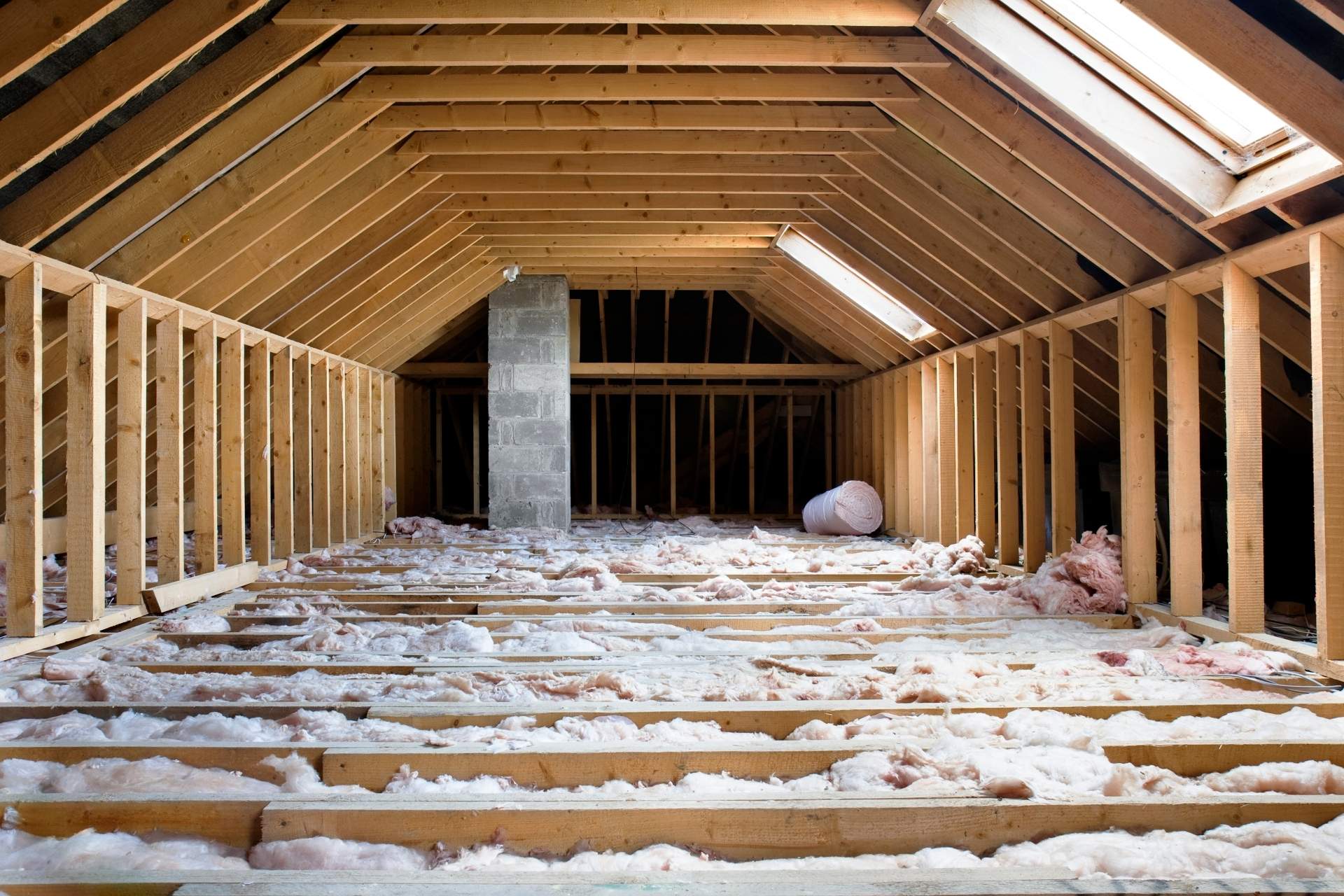
Animals frequently impact insulation, framing, and air pathways long before homeowners notice activity. Our attic remediation process includes removing urine-soaked insulation, feces, nesting debris, and contaminated materials, followed by HEPA-filtered vacuuming to reduce airborne particles.
We apply specialized disinfectants and enzymatic cleaners to surfaces, HVAC chases, and junction points where odors and pathogens persist. Odor control measures address both immediate smells and long-term vapor migration. When needed, we complete spot repairs to wiring, ductwork, and sheathing and evaluate insulation performance so energy efficiency can be restored. Documentation supports future maintenance planning and potential insurance needs.
Local Coverage You Can Count On
Our team provides consistent, high-quality service across a broad coverage area, supporting both residential and commercial properties with dependable protection. Every location we serve reflects our commitment to delivering reliable solutions and long-term peace of mind.
Long-Term Wildlife Monitoring and Maintenance for Chapel Hill Homes
We offer long-term wildlife maintenance plans that include scheduled inspections of attics, crawl spaces, soffits, and rooflines. During these visits, we document new gaps, droppings, gnaw marks, or nesting material and compare findings against prior reports to detect early warning signs.
This proactive approach allows minor wildlife scouting to be addressed before it escalates into full occupancy and structural damage. Rodent monitoring may include exterior control points and barrier checks, while bat monitoring focuses on seasonal roof and vent assessments to ensure exclusion systems remain intact and compliant. Long-term monitoring helps keep your property protected year-round.
Reliable, Long-Term Wildlife Protection in Chapel Hill
When you work with Integrated Wildlife Management for wildlife control in Chapel Hill, you gain a comprehensive solution built around prevention and protection. We remove animals humanely, document and repair structural vulnerabilities, restore contaminated areas, and reinforce entry points with durable materials. By combining inspections, cleanup, sanitation, exclusion, and monitoring, we help ensure your home remains protected from recurring infestations, hidden damage, and the health risks associated with wildlife activity for the long term.