
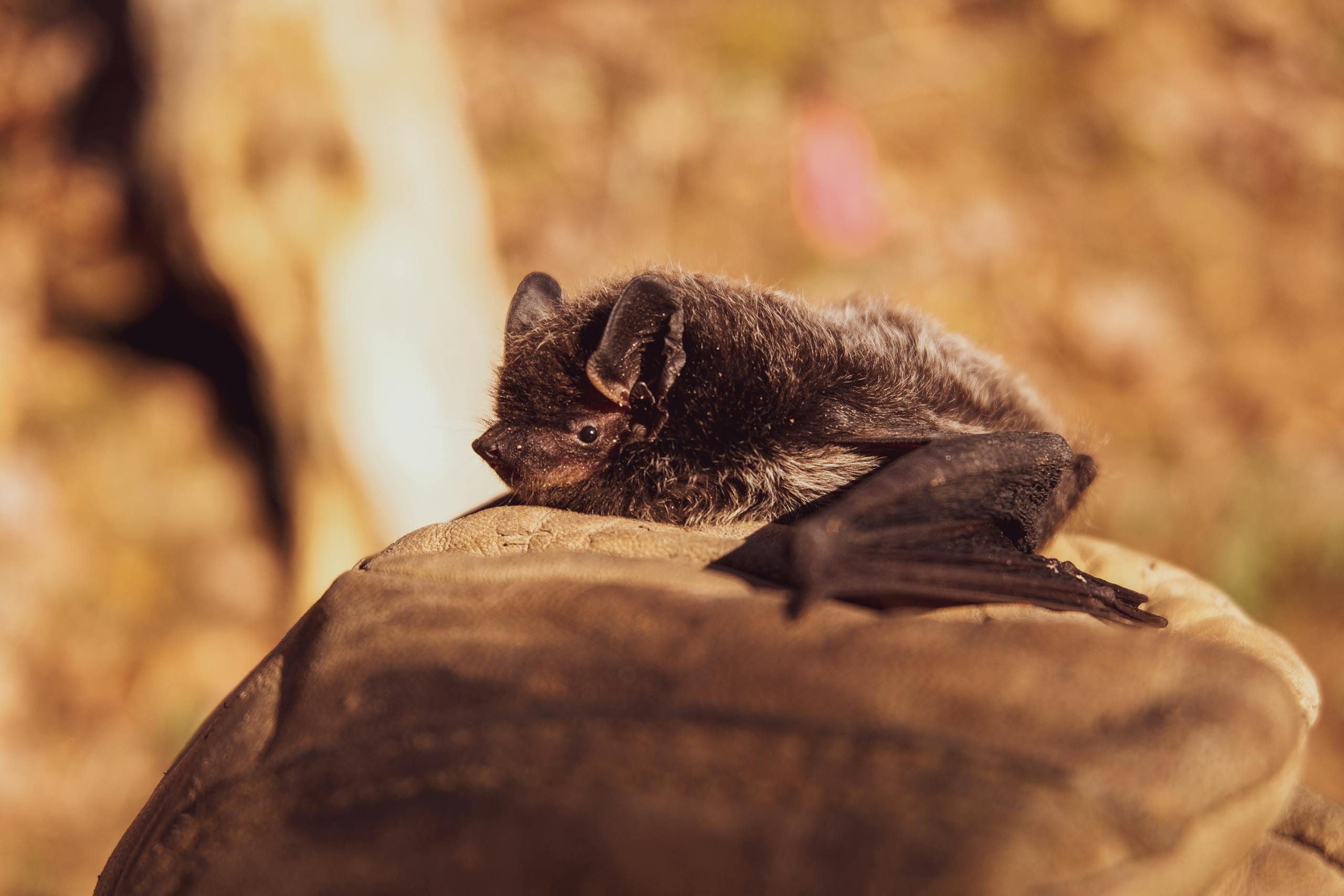
When Can You Legally Remove Bats in North Carolina? (And Why Timing Matters More Than You Think)
In North Carolina, bats can be legally removed from structures during March through April and again from August through October. Bat removal is not allowed from May 1 through July 31 due to maternity season, when young bats cannot fly and would be trapped inside if exclusion is performed.
If you’ve got bats in your attic, the instinct is immediate. You hear the noise overhead, maybe catch movement at dusk, and your first thought is simple—get them out as fast as possible.
That instinct is exactly where most people get into trouble.
In North Carolina, bat removal isn’t something you can do on your own timeline. There’s a defined window when the work can be done legally, and outside of that window, you’re not just dealing with a regulatory issue. You’re risking a situation inside your home that can spiral quickly from manageable to expensive.
The Bat Removal Timeline in North Carolina
| Season | Months | Status | What You Should Do |
|---|---|---|---|
| Spring | March – April | Open | Ideal time for full exclusion |
| Maternity | May – July | Closed | Inspection and planning only |
| Late Summer | August – October | Open | Second window for safe removal |
| Winter | November – February | Limited | Identify entry points and prepare |
The timing isn’t arbitrary. It’s tied directly to how bats behave.
During the early part of the year, colonies are stable and exclusion can be done cleanly. By late spring, everything shifts. Female bats form maternity colonies and give birth, usually in attics, soffits, and roofline gaps. The young bats are completely dependent and cannot fly for several weeks.
If you seal a home during that period, the adults leave at night as they normally would, but the young are left behind. That’s where a straightforward job turns into something else entirely.
Why Sealing Bats in During Summer is a Costly Mistake
Most people assume the worst outcome is that the bats don’t leave. In reality, the bigger problem is what happens after.
When young bats are trapped inside a structure, the result isn’t immediate—it builds over time. Odor starts to develop as decomposition sets in. That smell doesn’t stay contained in the attic either. It works its way into living spaces, into drywall, into insulation.
Then come the secondary problems. Insects show up. Flies, beetles, and other scavengers are drawn to the carcasses. What started as a wildlife issue becomes a pest issue layered on top of it.
There’s also the health side of it. Bat droppings, known as guano, can accumulate quickly in an attic environment. Over time, that buildup can introduce airborne spores that affect air quality, particularly in enclosed spaces with poor ventilation.
This is the part most homeowners never see coming. They think they’re solving the problem by sealing it up, when in reality they’re creating a more expensive one.
How Bat Removal Is Actually Done the Right Way
When the timing is correct, bat removal is a controlled process. It’s not reactive, and it’s not aggressive.
The method used is exclusion. That means allowing the bats to leave naturally while making sure they cannot get back in.
The work starts with a full inspection of the structure. Every potential entry point has to be identified, and with bats, that requires attention to detail. They don’t need a large opening. A gap you might overlook without experience can be enough for an entire colony.
Once those entry points are mapped out, all secondary openings are sealed, leaving only the primary exits. One-way devices are installed at those locations, allowing the bats to exit while preventing re-entry. Over time, the structure clears out as the colony leaves to feed and cannot return.
Only after that process is complete are the final openings sealed permanently. That’s what turns it from a temporary fix into a long-term solution.
What to Do If You Find Bats at the Wrong Time of Year
This is where most homeowners get frustrated.
The problem shows up in June or July, right in the middle of the blackout period, and the expectation is that it needs to be handled immediately. But this is one of those situations where acting quickly is the wrong move.
If you discover bats during the summer, the right approach is to slow down and plan. An inspection can still be done. Entry points can still be identified. You can understand exactly how they’re getting in and what needs to be done.
Then, when August arrives, the work can be completed properly without creating additional issues.
On the other hand, if the problem is caught in early spring, before maternity season begins, you’re in the best possible position. The colony is easier to manage, and the removal process is more straightforward. Late summer and early fall provide a similar opportunity once the young are able to fly.
Why This Isn’t a DIY Job
This is one of those situations where experience matters more than effort.
It’s not uncommon for homeowners to try sealing visible gaps or treating the issue like a standard pest problem. In most cases, that approach doesn’t work—not because the effort isn’t there, but because the system isn’t fully understood.
Bats require precise timing, complete sealing, and the correct use of exclusion devices. Miss one piece of that, and the problem either persists or gets worse.
The Bigger Picture
Bats don’t just pass through. Once a colony establishes itself, it tends to return year after year unless the structure is properly sealed.
Over time, that leads to buildup—waste, odor, and damage that gradually affects insulation and air quality. What starts as a seasonal nuisance becomes a larger structural issue if it’s left unresolved.
If you step back and look at it from a broader perspective, the pattern is consistent. Successful bat removal in North Carolina comes down to timing. Not urgency, not guesswork—timing.
Handled within the proper window, it’s a clean, controlled process. Handled outside of it, it introduces complications that are difficult and expensive to fix.
If this were my house, I wouldn’t rush it. I’d confirm exactly what I’m dealing with, understand where the entry points are, and line the work up for the right time of year.
That approach keeps the problem contained and solves it the right way the first time.

Joe Zets and the expert technicians at Integrated Wildlife Management Inc. provide humane wildlife control, pest management, and property protection across Raleigh, Durham, and the Greater Triangle area. Specializing in bat extractions, raccoon removal, attic restoration, and full-home structural exclusion, Joe and his team share practical guidance to help homeowners resolve wildlife intrusions and protect their properties long-term.